
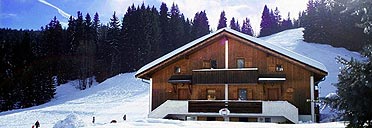
Surviving a stay in a mixed or shared ski chalet can be an enjoyable breeze or a holiday-ruining nightmare. Of course, some of it is in the mind. In the end there is little you can do if the chemistry between you and the other guests is wrong. But most chalet staff confirm that that is a rare event. Normally guests get on like a house on fire, end up skiing together by halfway through the week and exchanging email addresses when they leave.
What will make a big difference, however, is booking the right chalet in the first place. Here's what to watch for to ensure you don't just survive your holiday, but have a great time.
Style
Are you booking into an old converted farmhouse (could be lovely, could be draughty and a bit ragged at the edges); or a modern concrete job (could be great inside but hardly atmospheric); or a modern but traditional-style wooden chalet (often the best of both worlds)?
Location
This is absolutely critical. Chalet locations vary from the dreamy (ski-in, ski-out convenience, picture postcard setting, wonderful views) to the awful (main road, miles from the lift, suburban chalet estate). And you can't always tell the whole story from the brochure picture. So it's worth asking for a map of exactly where the chalet is located and how far it is from the nearest lift - especially somewhere like Meribel where lots of chalets are a long trek from the piste. Many companies here run minibuses to shuttle you to and fro.
Layout
Many companies will show an interior plan of the relevant chalet on the website or brochure. It's worth studying and checking exactly where your rooms are located. You may not, for example, want to have a bedroom straight off the sitting room, where the late-night drinking goes on and early morning breakfast is prepared. There can also be a big variation in the size of bedrooms - and the ensuite facilities - within any one chalet.
Board
'Chalet board' normally includes breakfast, tea, and perhaps six suppers (giving the hosts one night off a week). But it's worth double-checking exactly what the arrangements are before booking. If wine is included, don't expect it to be of the highest quality. And if you have special requirements - like vegetarian meals - make sure the staff will have alternative menus for you.
Staffing
Check the operator's staffing policy. The staff:guest ratio will tell you a lot about how well you are to be looked after. Typically chalets are run by a pair of chalet staff - often two girls, but they could equally be a young couple. Very often they will be doing it for the first time and their cooking skills may be pretty limited. Some companies have much higher standards and either employ professional chefs, or demand minimum levels of experience and qualification. Much of this is directly related to the price you are paying, but it's still worth being sure of what you are getting for your money.
Children
For the most part, chalet holidays are ideal for families with young children. With any luck they will make friends with the other kids in the chalet, so taking the pressure of their parents. They get their meals early and they can be put to bed upstairs with no worry about babysitting. Some chalets have crÀches with nannies on hand to shuttle beginners to and from the nursery slopes. On the other hand, ending up in a shared chalet with someone else's badly behaved children is not so ideal. You can avoid this by booking an adults-only property, or by checking who else is booked into the chalet for the same week as you. Better operators will tell you the size and ages of the other parties, so that you can get an idea of what the atmosphere is likely to be. Obviously this won't help you much if you are the first to book.
Timing
Demand for chalets peaks at Christmas, New Year, February and Easter. During these weeks, most chalets will be fully booked. If you prefer a quieter time - which normally means less pressure on the staff, the hot water and other facilities, as well as a better chance of getting a good late deal - go for an off-peak week. Bear in mind that, chalet staff being human, there is a good chance that in the last two or three weeks of the season they are likely to be either de-mob happy or completely exhausted. You'll probably catch them at their best around late January when they have got some practice under their belt, but haven't yet become jaded.
Operators
Top end: Descent International (www.descent.co.uk); Flexiski (www.flexiski.co.uk); Kaluma Ski (www.kalumatravel.co.uk); Lotus Supertravel (www.supertravel.co.uk); Scott Dunn (www.scottdunn.com); VIP (www.vip-chalets.com); Simply Ski (www.simplyski.co.uk), Snowline (www.snowline.co.uk).
Middle rank: Esprit (www.esprit-holidays.co.uk); Finlays (www.finlayski.com); Inghams (www.inghams.co.uk); Le Ski (www.leski.com); Mark Warner (www.markwarner.co.uk); Ski Beat (www.skibeat.co.uk); Ski Total (www.skitotal.com, 0870 163 3633)
Economy class: Crystal (www.crystalski.co.uk); First Choice (www.firstchoice.co.uk/ski, 0870 754 3477); Ski Olympic (www.skiolympic.co.uk); Skiworld (www.skiworld.ltd.uk, 0870 241 6723); Thomson (www.thomson-ski.co.uk, 0870 606 1470).
