If something knocks your socks off, it is a natural response to share the experience. And if taking people to have their socks knocked off is what you do for a living, then it's called advertising, and eco-tourism is no different from any other business.
Except it is. Those three little letters that prefix this brand of tourism make all the difference. "Eco" suggests a level of responsibility and hints at efforts to ensure a minimal impact on the spectacle you are witnessing.
And here lies the paradox: eco-tourism is often cited as being the answer to conservation problems but to be successful the numbers need to add up. You need lots of visitors to generate a profit - and you can end up losing sight of your original intention.
Take Kenya's Masai Mara. Years ago, you could have driven around in your Land Rover, seen your big five and returned to your tented camp having had a real adventure. Today, you are more likely to have to jostle for position with other tourists jammed into other Land Rovers. Is this what the tourists want? Is this what the animals need?
This scenario is becoming all too familiar. The manager of a Bali dive business told me a similar tale. A few years ago, he found a unique dive site where you can dive with sunfish, an odd disc of a fish up to 4m in diameter and usually a beast of open water. It turned out to be one of only a few sites in the world where this experience is guaranteed. Or rather was.
The fish are still there: I saw them just last month, hovering like giant Frisbees around "cleaning stations" where reef fish nip off parasites. But the animals were very skittish and behaved differently to the way they used to. On the surface, it became apparent why - 20 other dive boats were fidgeting around for moorings. The sunfish had become victims of their own accessibility. Now that first dive operator is wishing he had kept his mouth shut and feels that not only has he helped ruin an experience but also had a negative impact on the wildlife.
So should we all back off, limit time and apply guidelines? Does controlling the experience for the animal or environment's benefit alter the "magic" of the moment? To an extent it does, but it is the only way.
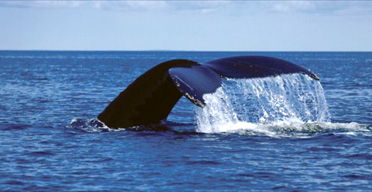
And it can work; just look at the mountain gorillas famously filmed by David Attenborough. Everybody who visits central Africa wants to see gorillas but watching time is restricted to an hour and you are not allowed to get closer than five metres. Despite the restricted access, it seems to work for all involved. Similarly, simple codes of conduct for viewing killer whales in Norway means a much better experience than the one I encountered in Vancouver with the same species being chased by several competing "whale watching" companies.
In the end it boils down to one simple fact: the act of observing something happening causes a change in the thing being observed. There are both good and bad operators out there, but with eco-tourists becoming more aware of the issues, the power of change lies in the wallets of consumers. This, combined with proper guidelines and licensing, in most cases seems to strike a happy compromise between a good experience and one that causes minimal disruption.
· Nick Baker is a presenter on the BBC's Really Wild Show
