Every year thousands of dancers and marching bands descend on the Bolivian mountain town of Oruro for one of South America's largest carnivals. And like Rio it’s all about the dancing.
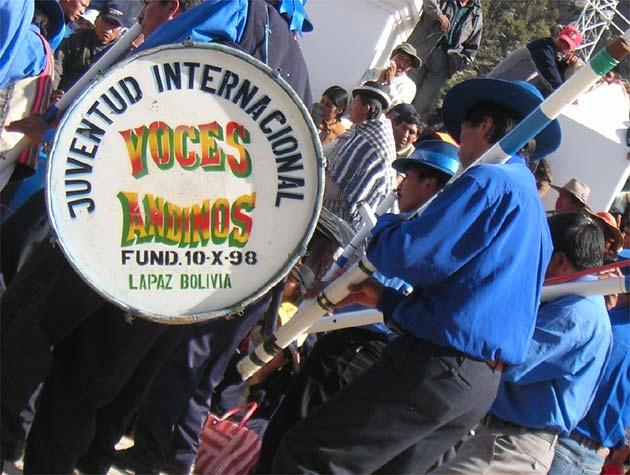
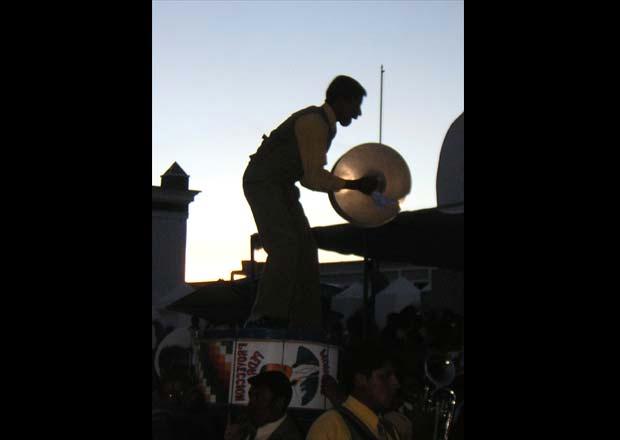
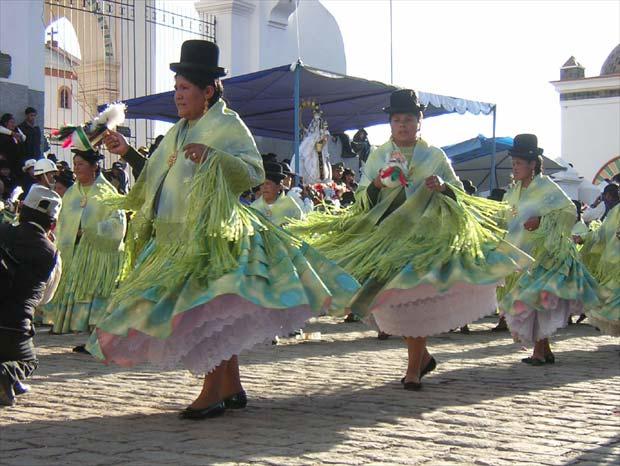
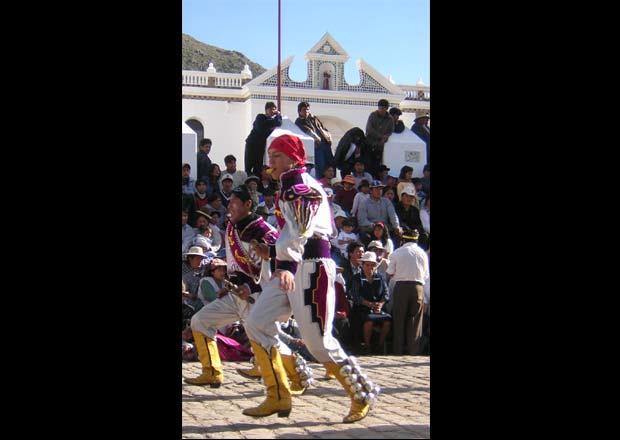
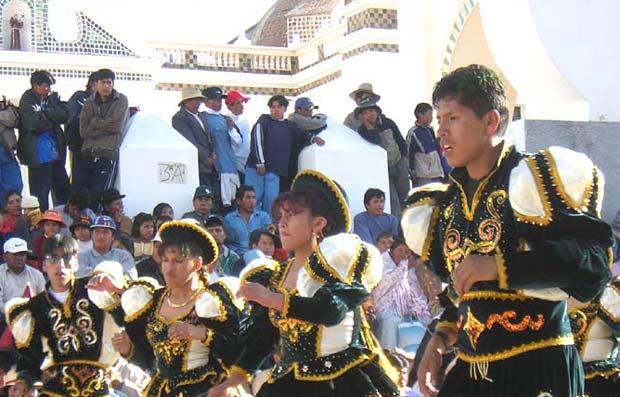
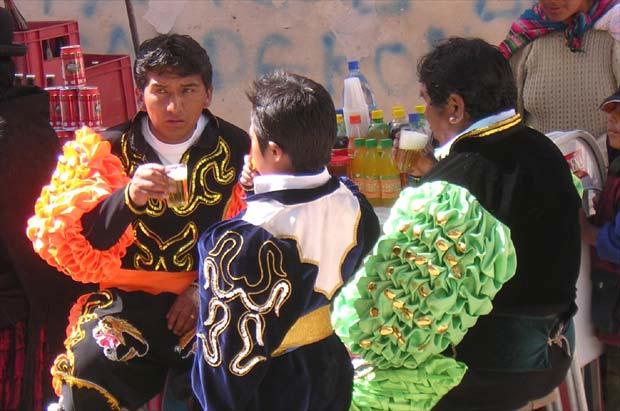
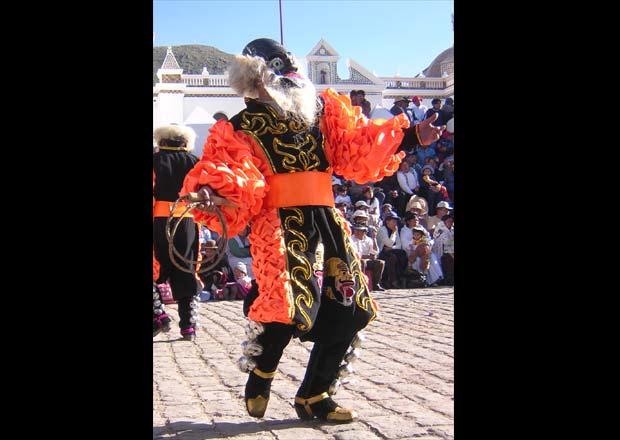
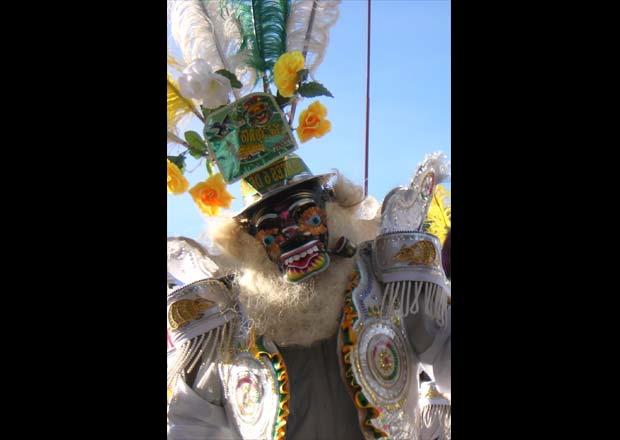
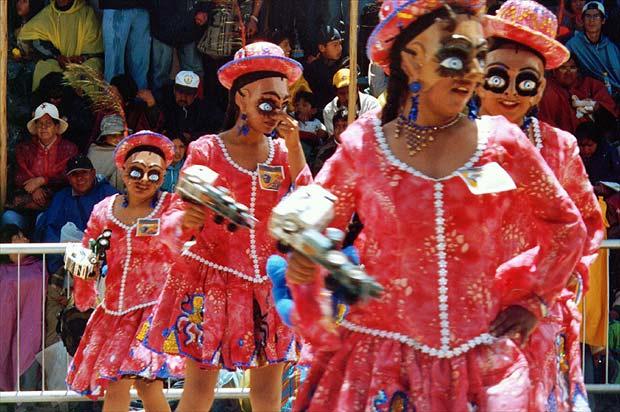
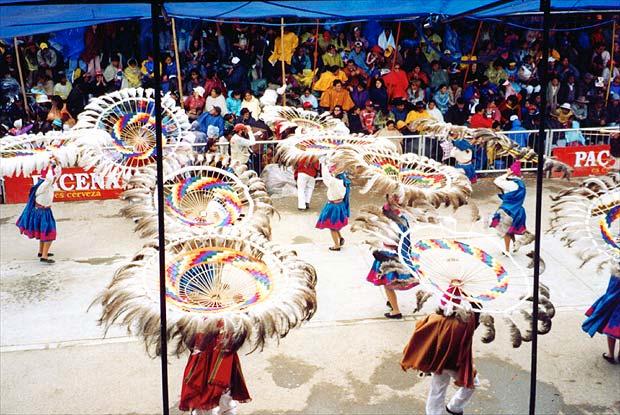
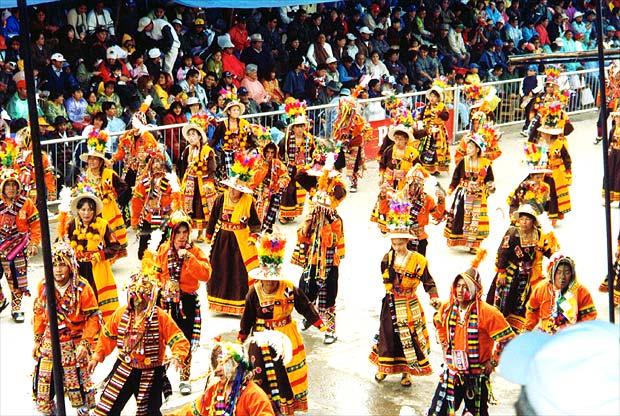
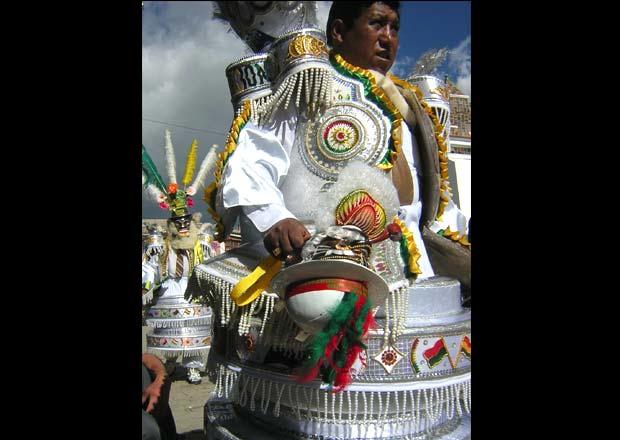
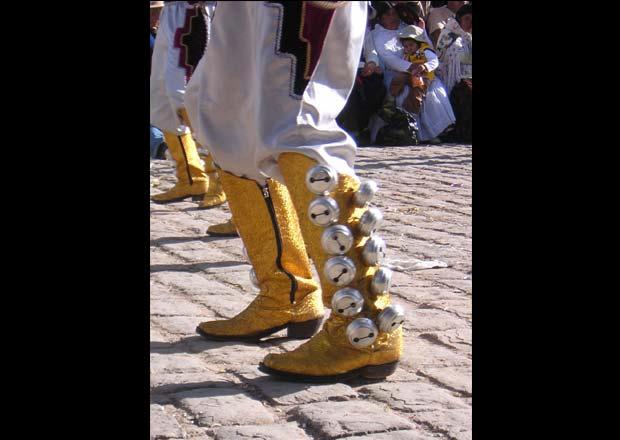
Each town in Bolivia has many marching bands competing at the carnival.Photograph: Gina PerryAt the end of the procession, the bands join together and play through the night. Photograph: Gina PerryWomen in typical Bolivian-style clothing at the Copacabana carnival. Photograph: Gina PerryCaporales dancers force the route to widen as they dance (Copacabana).Photograph: Gina PerryCaporales is a popular dance for young people in Bolivia. Photograph: Gina PerryDancers resting at one of the numerous drink stands along the 4km procession route.Photograph: Gina PerryThe slaves turn slave-drivers using the whips to control the other dancers.Photograph: Gina PerryThe bulging eyes of the morenada mask represents the slaves' struggle to work at high altitude.Photograph: Gina PerryThe rattles in the dancers' hands represent the importance of buses in Bolivia.Photograph: Mel JewellSiku sikuri is a harvest dance dating to 800 BC. Headdresses are made from ostrich feathers.Photograph: Mel JewellLos Tinkus a traditional dance from the countryside.Photograph: Mel JewellA morenada takes a rest from the procession - their costume weighs up to 50kgPhotograph: Gina PerryThe caporales dance is distinctive from the sound of the bells on their boots.Photograph: Gina Perry