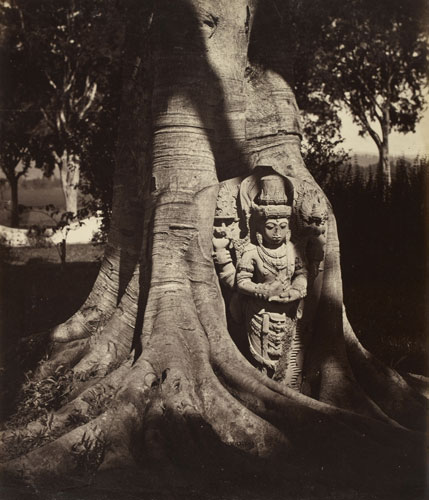
By the 1850s, photography was beginning to make the world feel a smaller place. For the first time, accurate and trustworthy representations of distant lands and peoples, unmediated by the artist’s hand, were enthusiastically explored in parlours and drawing rooms across the western world. Photograph: Isidore van Kinsbergen/The British Library
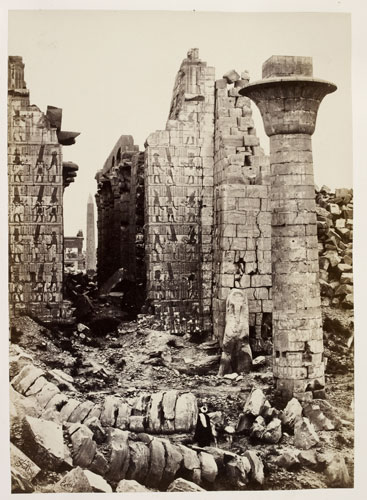
With the development of an expanding commercial photographic industry in the 1850s, photographers targeted (and helped to create) a growing market for photographic views of distant lands. Photograph: Francis Frith/The British Library
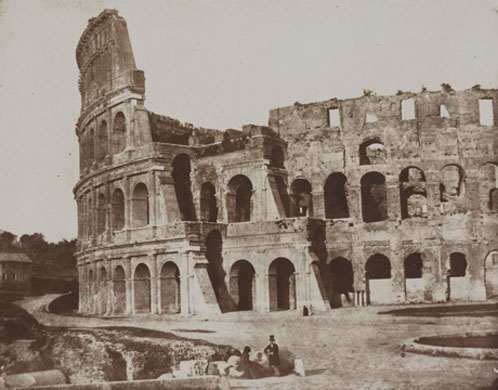
Subsequent decades witnessed a huge explosion in photographic production as new international markets for the technology appeared. Photograph: Calvert Richard Jones/The British Library
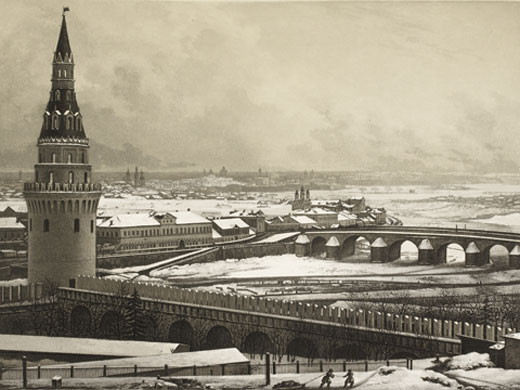
As well as bringing back images of faraway places to armchair travellers at home, photographers also supplied visual mementoes to tourists in the period before widespread popular photography. Photograph: Photographer unknown/The British Library
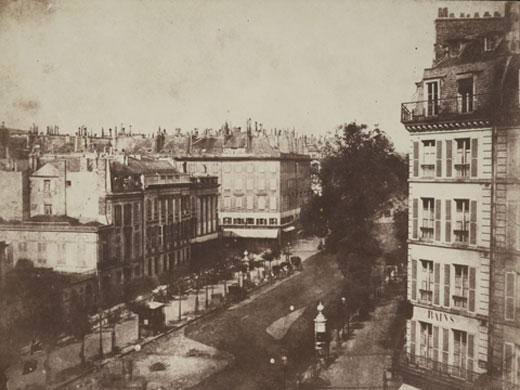
Frustrated with his inability to draw, William Henry Fox Talbot conceived the photographic process in 1833. Photograph: William Henry Fox Talbot/The British Library
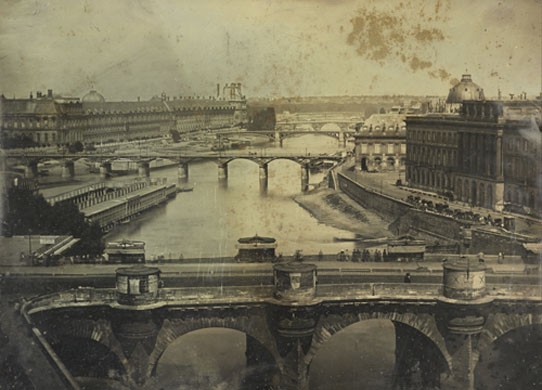
Package holiday pioneer Thomas Cook began operating European tours in the 1850s, opening the continent up to the upper middle classes. His first tour was a circuit of northern Europe ending with four days in Paris. The city proved a consistently popular destination, with thousands of tourists visiting annually by the end of the century, at an all-inclusive cost of around £11. Photograph: Charles Louis Chevalier (1804–59)/The British Library
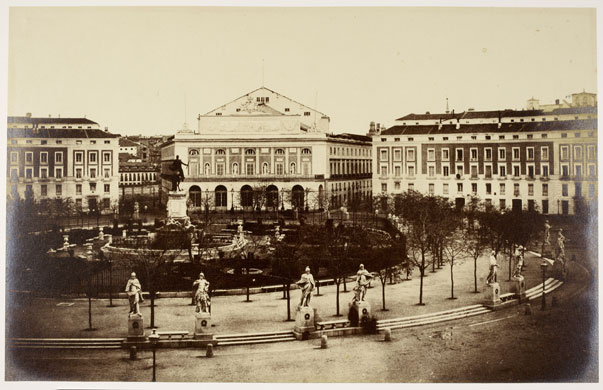
The Welsh-born Clifford established himself in Madrid in 1850, where he specialised in architectural views and advertised himself as the 'English Photographer', clearly with the intention of attracting the custom of the growing number of his countrymen who were just beginning to explore Spanish culture. Photograph: Charles Clifford (1819–63)/The British Library
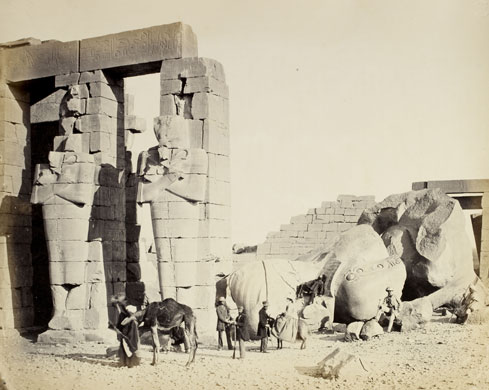
The supposedly timeless monuments of ancient Egypt were under increasing threat by the 1850s. Frith argued that one of the values of photography was of preserving a record in the face of rapid change - due not only to the 'corroding tooth of time' but to the growth of official excavations, the plunderings of private travellers and dealers feeding the demands of European museums. Photograph: Francis Frith (1822–98)/The British Library
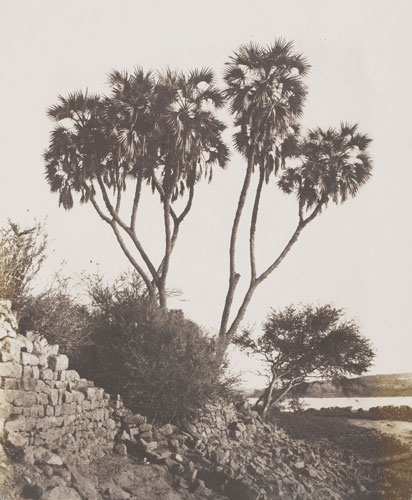
The civil engineer Félix Teynard systematically documented the major sites along the Nile between Cairo and the Second Cataract from 1851 to 1852. Photograph: Félix Teynard (1817–92)/The British Library Board
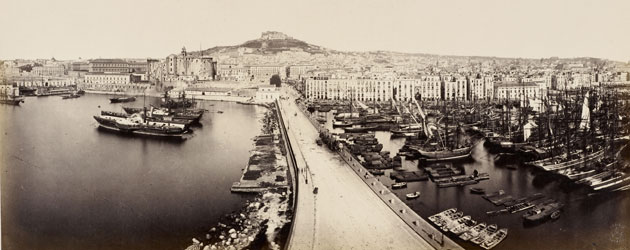
The photographically illustrated book as a luxury item for armchair travellers began to be replaced in the 1860s by the direct sale of views to the increasing army of middle class tourists who could afford to take advantage of the new mobility. Photograph: Adolphe Braun/The British Library
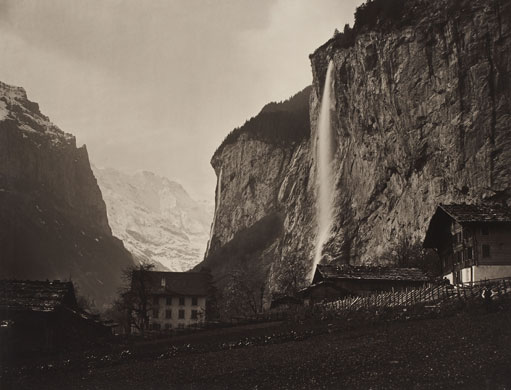
Braun, originally a fabric designer from Alsace, took up photography in the early 1850s, later turning his attention to the lucrative market for tourist views of European landscapes. Photograph: Adolphe Braun (1812–77)/The British Library
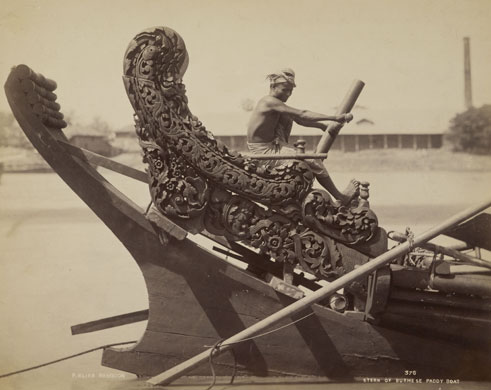
The invention of photography coincided with the start of an unprecedented period of European colonial and mercantile expansion. The development of a worldwide network of transport routes, spearheaded by the steamship and the railway, provided new opportunities for exploration, trade and settlement. Photograph: The British Library
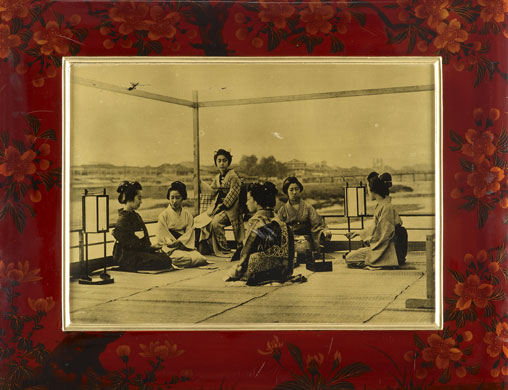
While the hand-colouring of photographs goes back to the early days of photography, it was taken to its most sophisticated level by Japanese studios, principally for the export market.
Caption text by John Falconer, curator of the exhibition Photograph: British Library
