
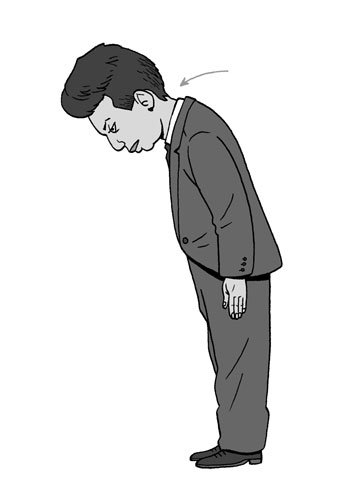
“Pleased to meet you”
How to do it: in Japan, people bow when they meet each other and in many other situations – you may even see people bowing on the phone as they are speaking to people. As a general rule, the deeper the bow the more respect you show to the other person. In traditional Japanese restaurants and very formal situations people will kneel and bow, but the main bow is the standing one.
Illustration: Guardian Photograph: Guardian
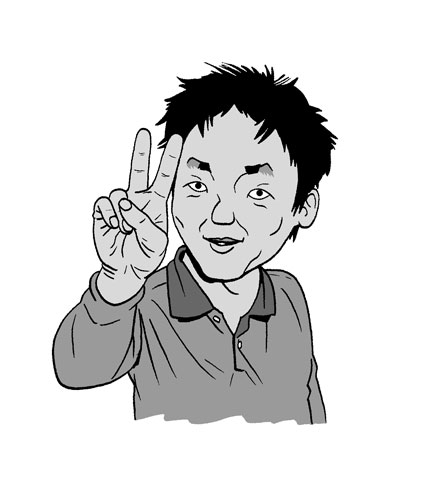
“Cheese”/ “Smile”
How to do it: index and middle finger in V shape. Other fingers tucked down, palm faces out. Hand held at about shoulder height. Japanese people generally won’t smile in formal photos (for example at weddings), so in informal photos, such as holiday snaps, the V sign is very popular to show everyone is happy and having a good time.
Illustration: Guardian Photograph: guardian.co.uk

“Me”
How to do it: whereas we in the west point to our chest when we want to say ‘I’ or ask ‘me?’, the Japanese point to their nose with their index finger.
Illustration: Guardian Photograph: guardian.co.uk
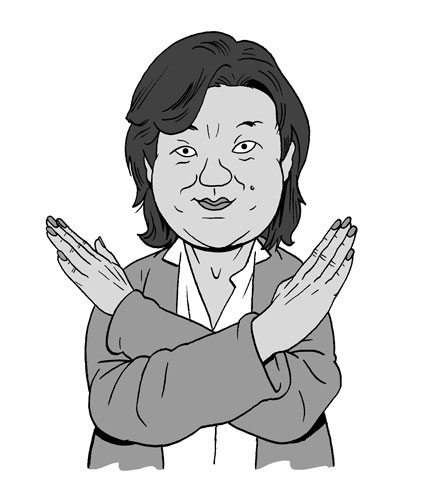
“Not allowed”/ “Closed”/ “Broken”
How to do it: arms crossed in front of body (but not touching body) with fingers straight up and hands side on to viewer. Commonly used in situations when you are not able to talk to someone, a shop is closed or a machine won’t work. Some people simply cross their index fingers.
Illustration: Guardian Photograph: Guardian
