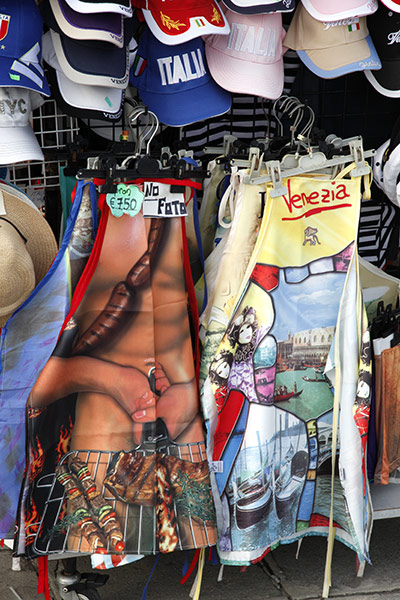
Real Venice, a photography exhibition, opened at Somerset House in London this week. Fourteen artists were asked to create original images, capturing the beauty of the city, as well as the ravages of mass tourism The exhibition runs until 11 December
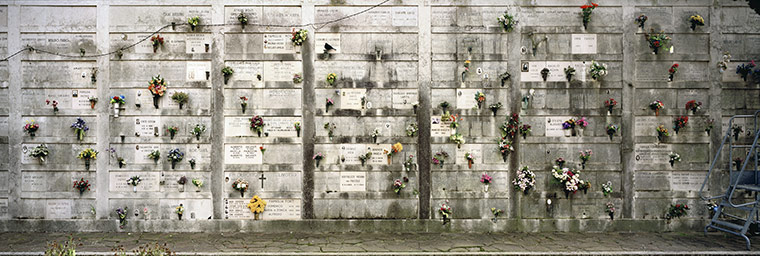
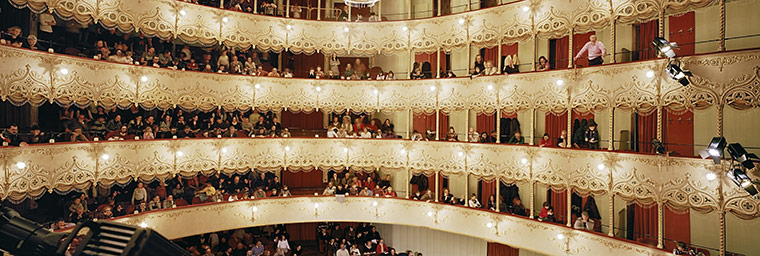
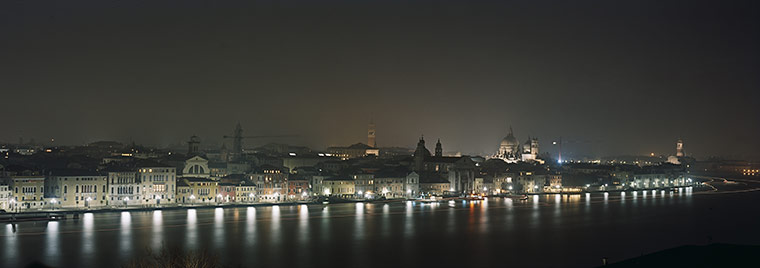
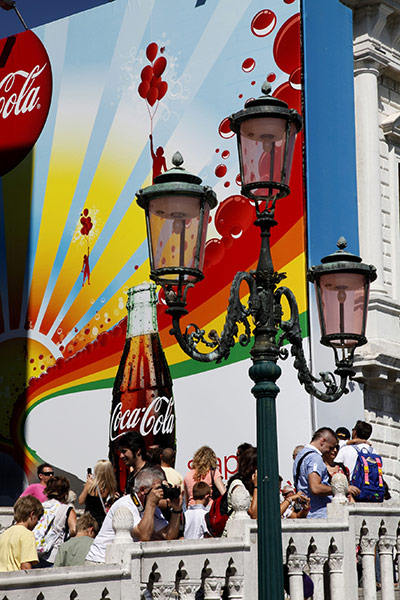
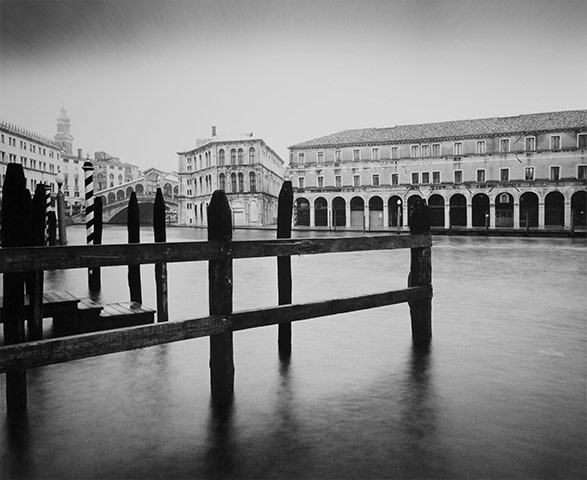
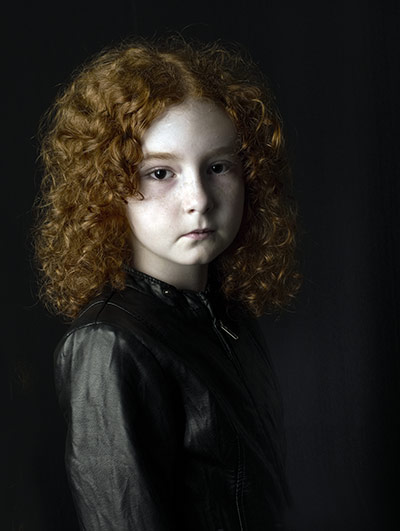
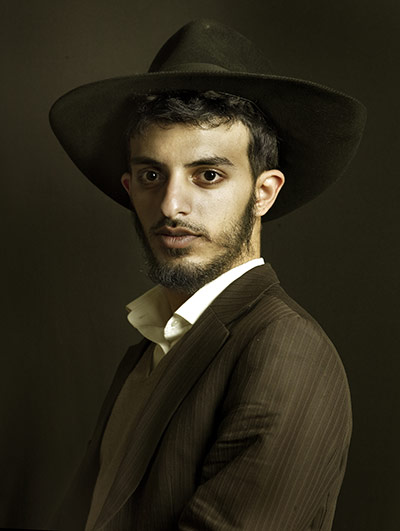
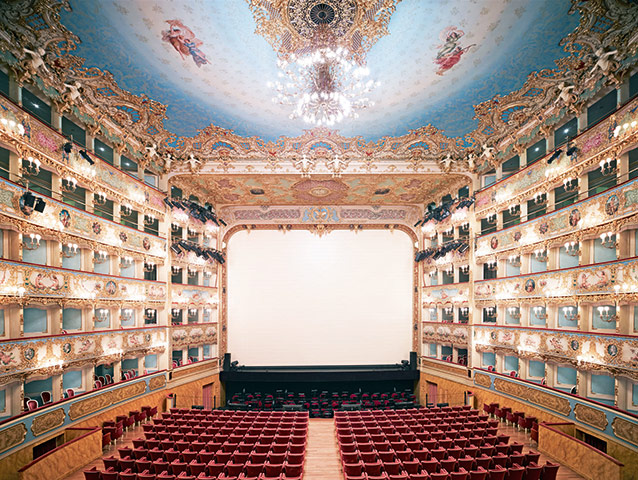
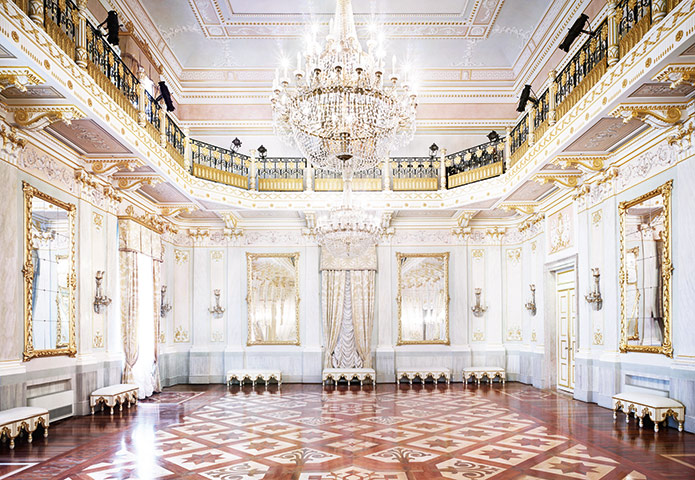
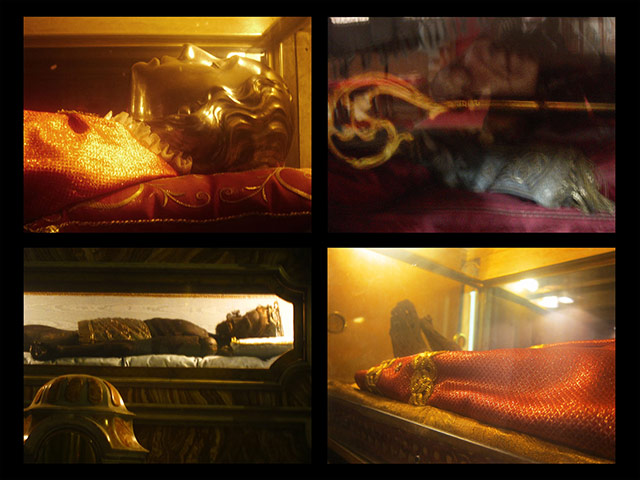
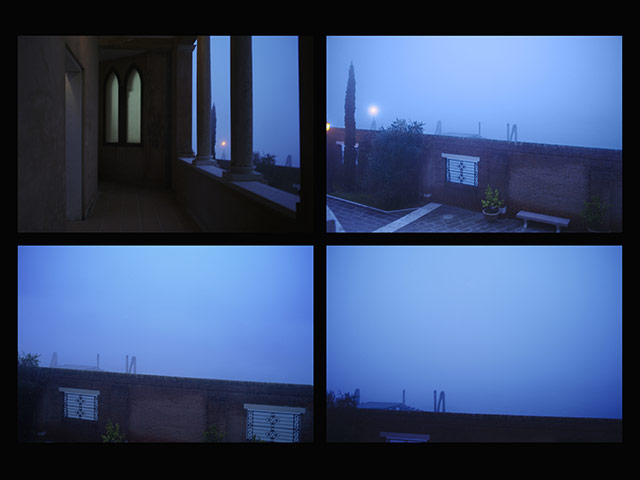
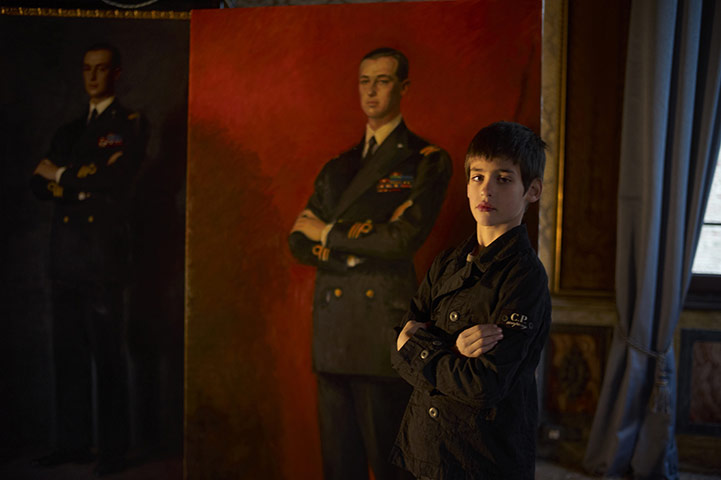
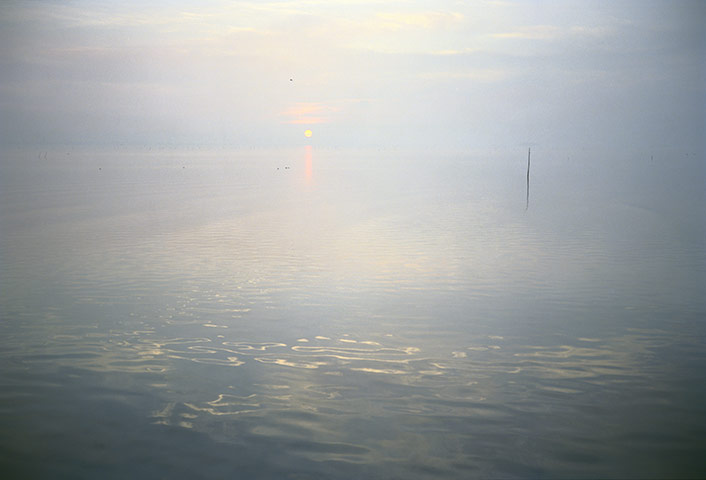
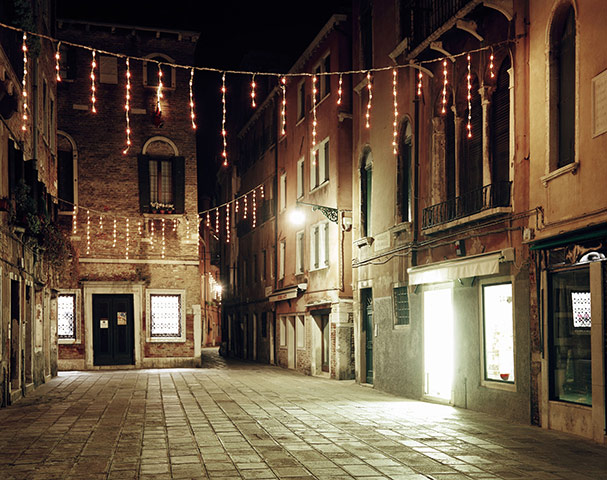
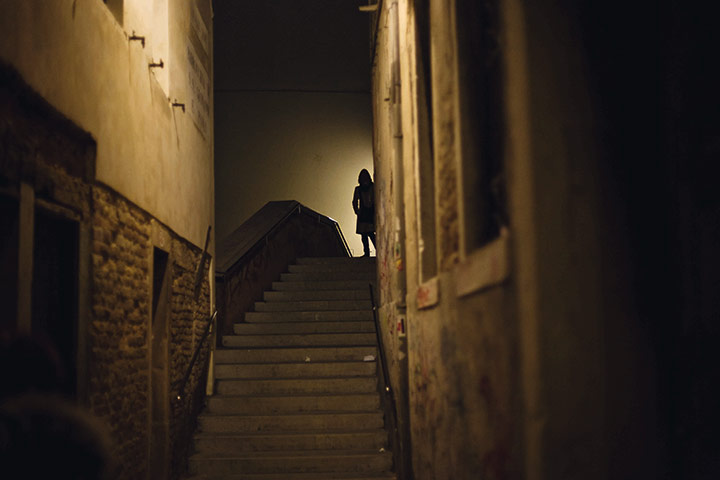
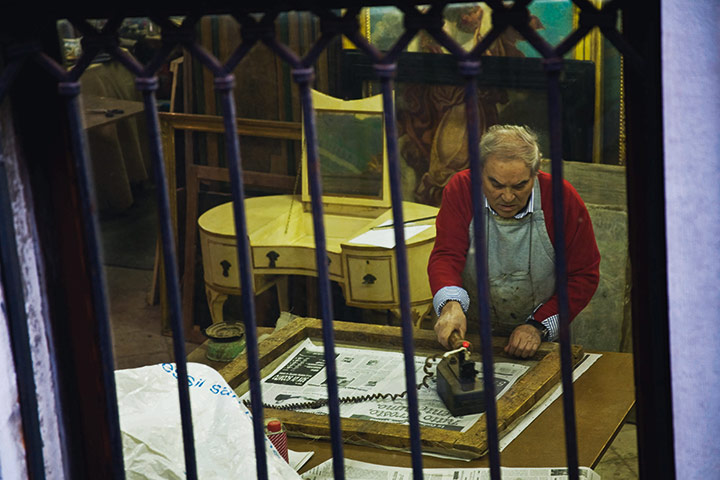
Marta Marchi as Strega. "Venetian people love Venice and they are proud of their city. But I sensed they are not perfectly happy with what is going on with the city," says photographer Hiroshi Watanabe. He used masks – meant to both reveal and disguise – to depict the uneasy relationship Venetians have with their foreign guests – resentful but wholly dependentPhotograph: Hiroshi WatanabeFinnish photographer Tiina Itkonen is more used to photographing vast landscapes of snow and ice, hence her use of panoramas. This was taken on Isola di San Michele, an island in the Venetian Lagoon which became a cemetery under French occupation in 1807 when burial on the mainland was decreed unsanitary Photograph: Tiina ItkonenTeatro Goldoni, one of the city's major theatres/opera housesPhotograph: Tiina ItkonenThe Dorsoduro district by nightPhotograph: Tiina Itkonen"I photographed a superficial, glossy Venice, one of artifice and facade, making, I hope, for a more accurate reflection of today’s Venice than those generic pictures of reflections of crumbling palazzos in canal waters," says photographer Robert Walker, who is known for his vibrant colour studies of Times Square Photograph: Robert WalkerA Coca-Cola sign drowns out anything its neighbour, the Bridge of Sighs, might have to offerPhotograph: Robert WalkerRiva degli Schiavoni. For Italian photographer Mimmo Jodice, Venice is so naturally photogenic that an oversimplistic "image" of the city has developed. He has therefore turned to a 19th-century limitation of photography for inspiration – long exposures which efface people and objects in movement. Photograph: Mimmo JodiceThe RialtoPhotograph: Mimmo JodiceFondaco dei Turchi (The Turks' Inn), a Veneto-Byzantine style palazzo on the Grand CanalPhotograph: Mimmo JodiceIn considering his focus in Venice, Pierre Gonnord opted to study the terrain of the face. He found his subjects all over the city, searching for "interesting physiognomy, gaze, sensibility, intelligence, and loneliness". You’d be forgiven for believing that this Charlotte was Venetian, but she’s actually a young tourist from AustraliaPhotograph: Pierre GonnordAttia, a young Lubavitcher Orthodox Jew in the Ghetto, looks like he's stepped out of a Renaissance paintingPhotograph: Pierre GonnordTragic loss and glorious resurrection are at the heart of Candida Hofer's photographs. Teatro La Fenice di Venezia (Phoenix opera house) was rebuilt for the second time after it was destroyed by fire in 1996 Photograph: Candida Höfer/VG BildkunstPhotograph: Candida Höfer/VG Bildkunst, courtesy of Ben Brown Fine ArtsThe sumptuous interior of the Teatro La Fenice di Venezia Photograph: Candida Höfer/VG BildkunstPhotograph: Candida Höfer/VG Bildkunst, Bonn 2011, courtesy of Ben Brown Fine ArtsDead Saints. "Here my obsessions are easily satisfied; saints, cemeteries, palazzos, paintings on every surface. There are so many different ways to combine the details as to make infinite the possibilities of how to read one place, one floor, one palazzo...," says Nan GoldinPhotograph: Nan GoldinFog, San Servolo Photograph: Nan GoldinLeonardo with his Grandfather. A boy bravely trying to measure up to the grandeur of noble ancestors in the Palazzo PapadopoliPhotograph: Nan GoldinLooking toward Venice from Mazzorbo. "Turner’s supposed last words were 'The sun is God'. During a week-long stay in Venice this past January, I began to feel that way myself," says Philip-Lorca diCorciaPhotograph: Philip-Lorca diCorcia"I have already seen San Marco and most of the other destinations that have become so overwhelmed by tourism that they can be offensive, so I seek quieter quarters or venture out late at night," says diCorciaPhotograph: Philip-Lorca diCorciaTim Parchikov's work calls to mind the light from a cinema screen – a B-movie early-70s thriller along the lines of Who Saw Her Die?, where the action takes place in a small Venetian piazza by night Photograph: Tim ParchikovParchikov seems delighted by the business of ordinary life tucked away out of sight, by the parallel worlds of the Venetians. As critic Yuri Avvakumov notes about his work, key information is glimpsed but never completely revealed Photograph: Tim Parchikov