Sybil Kapoor tours China's remote Yunnan province, from its spectacular snowy peaks to its idyllic valleys. Photographs by Raj KapoorRead Sybil's Yunnan story here
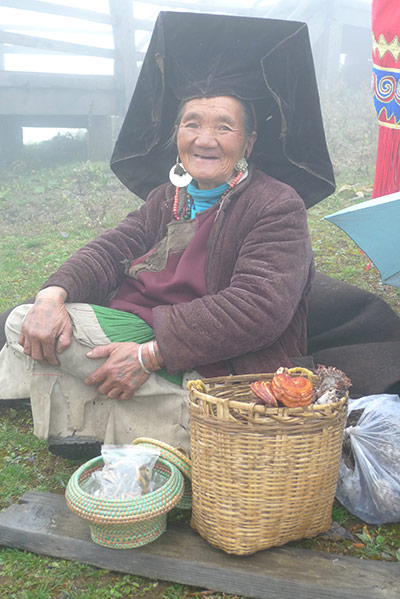
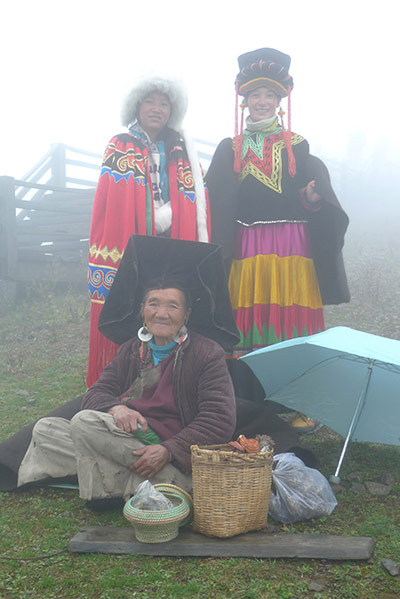
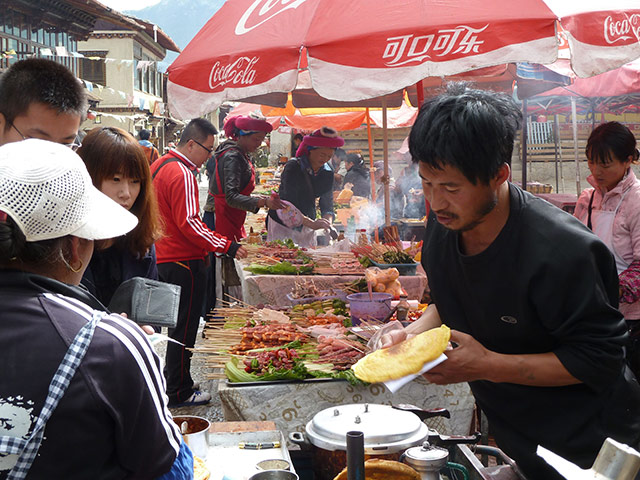
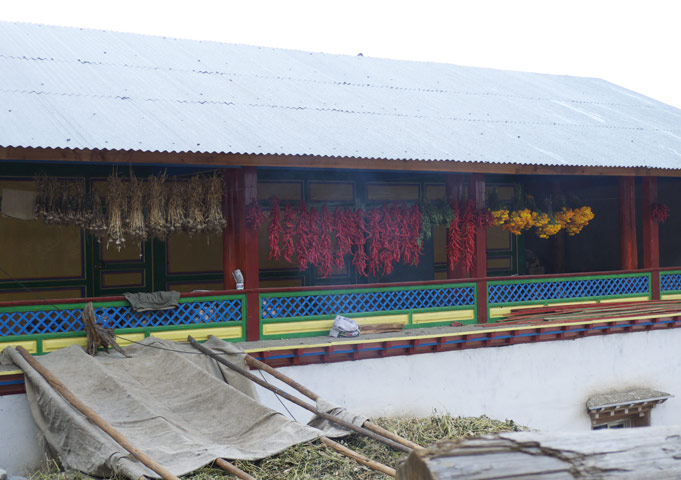
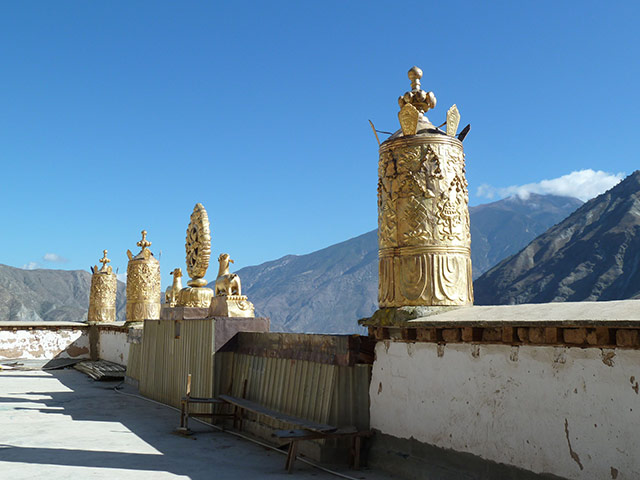
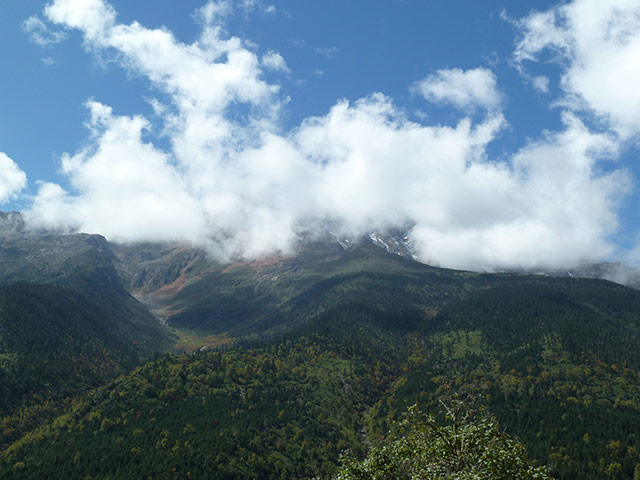
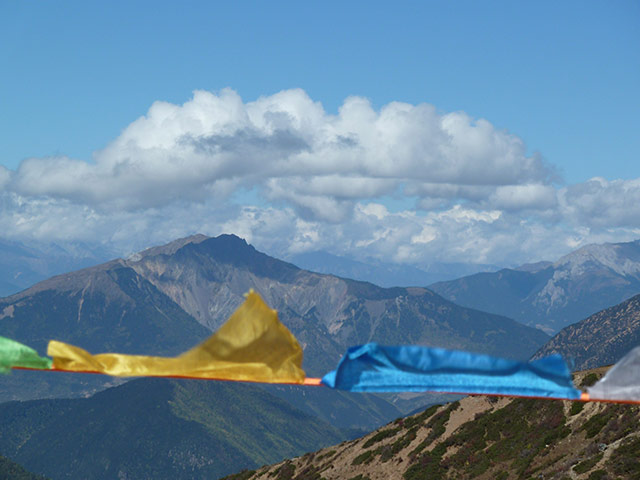
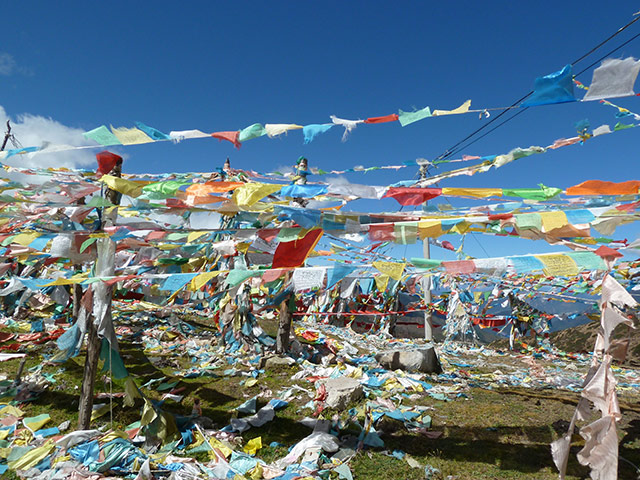
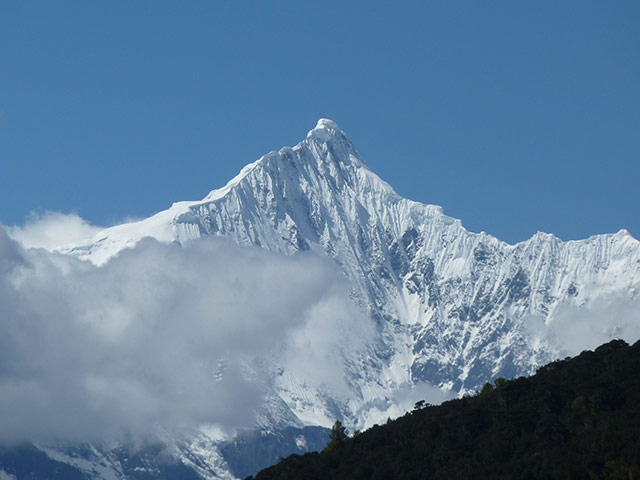
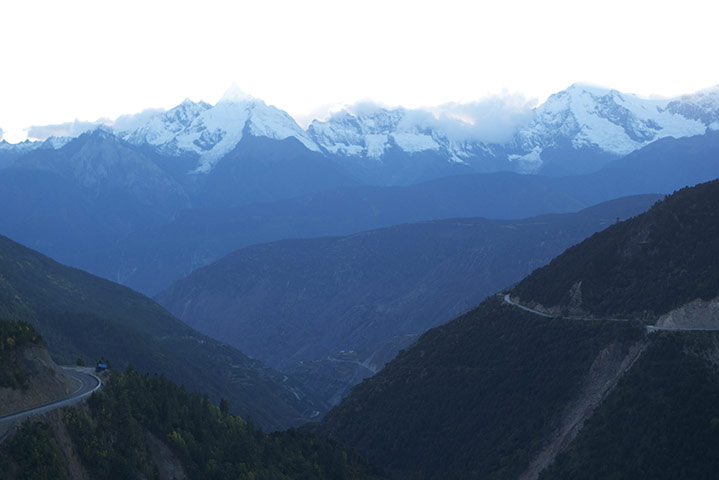
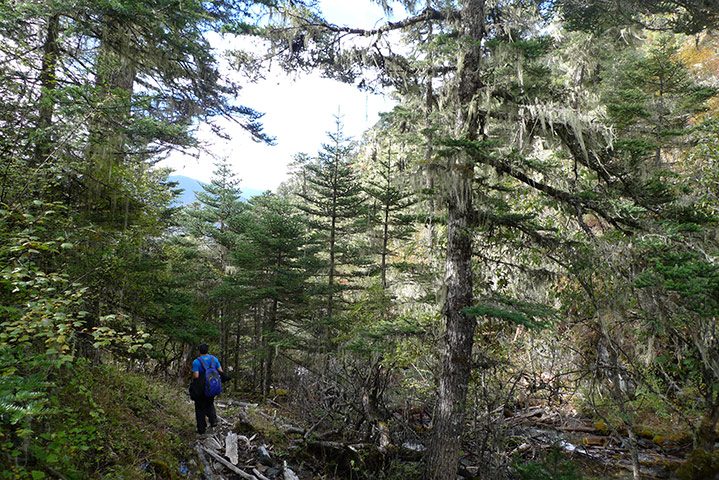
As soon as autumn arrives in Lijiang, the sellers of prize hunting birds appear in the city's Zhong-yi market. They train their birds of prey to hunt rabbits through the summer months and their birds will fetch a premium price from local hunters eager to head to the mountains. Photograph: Raj KapoorYi people live in the mountains between the valleys that are farmed by the Naxi and the mountain plateaux inhabited by, among others, the Tibetans. Many of the older Yi women still have tribal tattoos.Photograph: Raj KapoorYunnan has more species of fungus than any other province in China. Yi women forage in the mountains and sell all manner of fungi at popular tourist sites such as high up in the misty clouds of Spruce Meadow, which is just outside Lijiang. The fungi here are used in Chinese medicine and are popular with Chinese tourists.Photograph: Raj KapoorAfter the six-hour drive from Lijiang to Shangri-la, it’s worth waking early at the Songtsam Retreat in Shangri-la to watch the autumn mist rise in the dawn light. Barley is dried on the ricks in the meadows behind the great 17th-century Songzangling Monastery. It’s the largest monastery in Yunnan province. Beyond the Tibetan-style farmhouses is the monastery’s builder’s yard, filled with wood being used to restore the monastery.Photograph: Raj KapoorOutside the Songzangling monastery in Shangri-la, local Tibetans sell all manner of kebabs and snacks from grilled potato to marinated yak skewers. Traditionally, Tibetans like to accompany their food with soft bread. Tibetan woman will wear a particular colour of headware to indicate which village they’re from. Photograph: Raj KapoorThe drive from Shangri-la to Benzilan leads you through rich farmland. During the fine autumn weather, every farmhouse dries food for the long cold winter under their eaves. No dish is complete without chilli and garlic, both of which are strung out here to dry. Marigolds are also harvested to flavour meat stews, while hay is dried for the livestock. Later it will be stored in the top storey of the farmhouse. Photograph: Raj KapoorThe Dongzhulin monastery lies on the way between Benzilan and Deqin. It was built 1667, the sixth year of the Kang Xi Period. Its original name was Chongchongcuogang temple, which means ‘the temple of crane lake’. A few rare black-necked cranes still migrate to this area. It was renamed Gedandongzhulin temple (meaning benefit others and oneself) after seven smaller temples were merged together. Most of the monks and nuns live in the surrounding village. Photograph: Raj KapoorInside the Dongzhulin monastery you have a real sense of how different Tibetan Buddhism is to other forms of the religion. Every surface is painted with graphic illustrations from their books about the cycle of life and death.Photograph: Raj KapoorIt feels as though you are on the roof of the world when standing on one of the tiered roofs of Dongzhulin monastery. The temple is starting to be restored and will soon change with the building of the new road close by.Photograph: Raj KapoorDriving on from Dongzhulin monastery towards Deqin, the landscape starts to change as you continue to climb upwards into the Himalayas. The lower mountain sides are thickly wooded with indigenous pines and rhododendrons that you might expect to see in a garden centre rather than in the wild. Streams rush down every gulley. The higher alpine meadows are grazed during the summer months by yaks. Photograph: Raj KapoorAs you enter the Baimang Snow Mountain nature reserve, the first mountain you see is Baimang Snow Mountain. The reserve itself stretches for 180,000 hectares and includes everything from mountain lakes to primeval forest. The tiny red bushes are small azaleas that turn pink with flowers each May. Photograph: Raj KapoorThroughout our journey Tibetan prayer flags flutter at every high pass or accident spot. The most dangerous places often have a stupa, a place of worship, built far out on the edge of the mountain.Photograph: Raj KapoorHundreds of brightly coloured prayer flags mark the barren high mountain pass (4,000m) on the way to Deqin. All you can hear is the flapping sound of silk and the icy wind howling around your ears. In a year or so, a new road tunnel will be completed that will drive through the mountain, but it is worth taking the longer old road with its spectacular scenery.Photograph: Raj KapoorKawagebo or Meili Snow Mountain is one of the most sacred mountains according to Tibetan Buddhists. Every room at Songtsam Meili looks on to it.Photograph: Raj KapoorBehind Songtsam Meili is the tiny village of Gujiunong, where the families farm zou, a cross between a yak and a cow. Each day the villagers herd them up to pasture, which is more than 4,000m above sea level. There are many different types of cross breeds, depending on the altitude and whether the family want milk or meat. The yaks themselves are kept up in the high alpine pasture until the first snow threatens.Photograph: Raj KapoorAs dusk falls, the Meili Snow Mountain range dissolves into cloud. Outside you can hear people singing Buddhist chants. Below, the road weaves around the mountains towards Deqin. The best months for mountain viewing are October and May. If the day is clear, the mountains turn gold in the dawn sunlight. Photograph: Raj KapoorThe return journey after a steep hike up the mountain behind Songtsam Meili. You cross over clear mountain brooks, see exquisite tiny birds and ascend into a thickly wooded world before reaching a jade green mountain lake. The air is so thin, you have to pause for breath every ten minutes, but it’s worth it for the views.Photograph: Raj Kapoor