
When to go
Cloud is the stargazer's enemy, so check the weather forecast. While many stars can be seen all night, every night, the same is not true of the moon, the planets and a number of constellations. And while a bright moon will make it easier for you to stroll around, it will also blot out the fainter stars. Click here to find out what will be visible and when.
What to take
Once the sun goes down, so does the temperature, so wrap up warm. While you're at it, pack a rucksack with something waterproof to sit on, mosquito repellent and, if possible, some binoculars (to help you to pick out features on the moon etc). The routes we've chosen are short to allow for sitting and gawping, so don't worry about overburdening yourself. Take two torches. Ideally, one should be red-tinted, to protect your night vision.
How to find your way around
If you're worried about getting lost, or are thinking of extending your walk, take a 1:25,000 OS map and a compass. We explain how to find north on page 70, but that won't help if it turns cloudy.
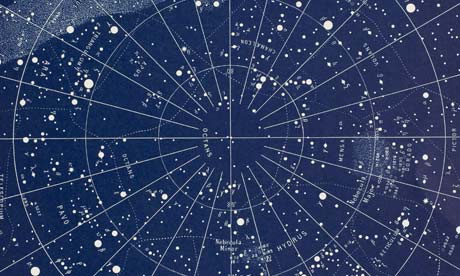
As far as the sky is concerned, we've picked out some features to look out for on the previous pages. You won't need a telescope, but a star map will make things easier. Click here for a very readable overview of the current sky.
If you have a smartphone, there are many apps that will let you identify or locate stars, planets and artificial satellites. Among the popular choices: Star Walk and Pocket Universe for iPhone; and Sky Map and the Night Sky for Android.
Where to learn more
For an excellent online introduction to astronomy, check out the Society for Popular Astronomy. Its Young Stargazers section is particularly accessible.
