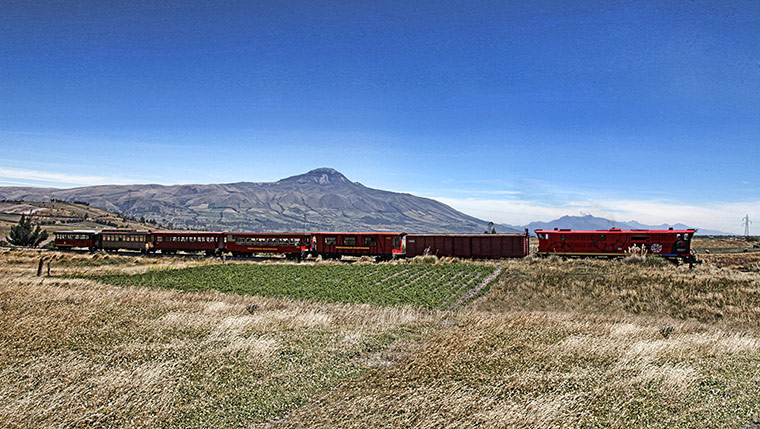
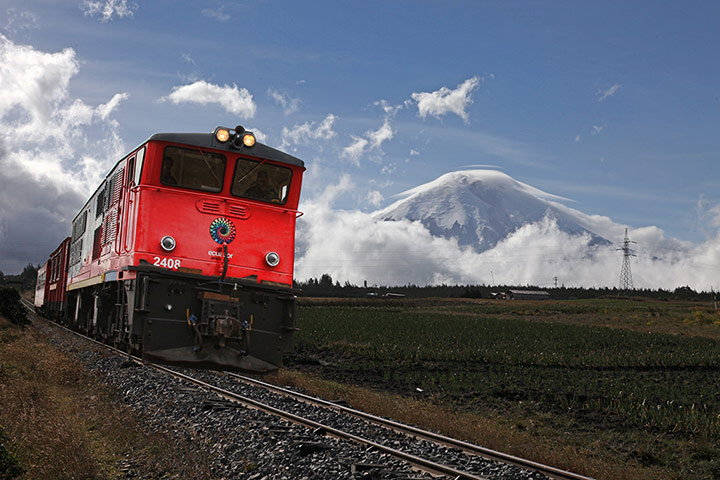
New luxury steam trains will take passengers from Quito to the coast - on one of the most spectacular rail journeys in the world - following a multi-million pound project to restore Ecuador's historic railway
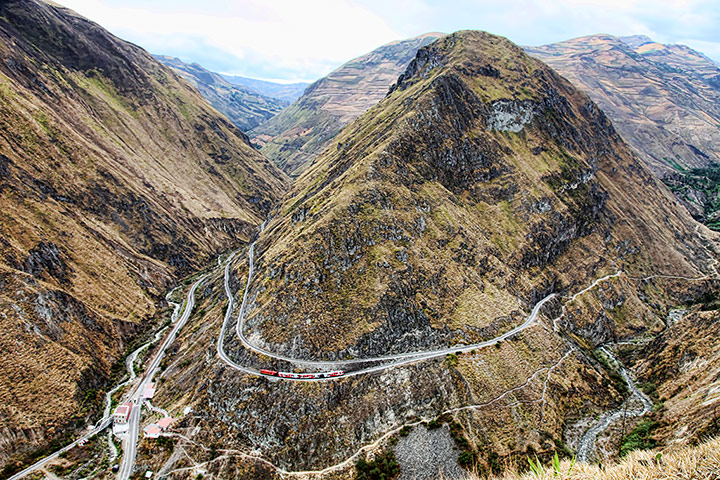
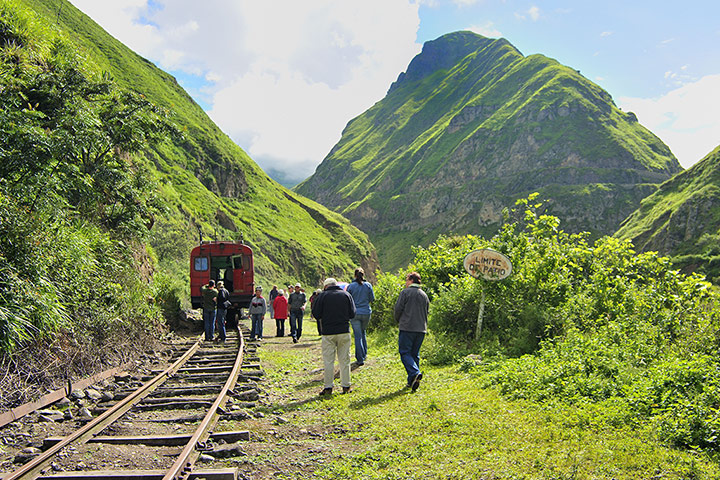
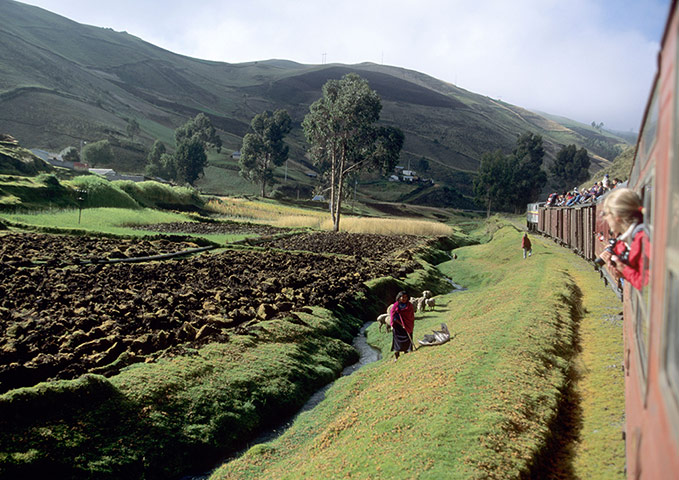
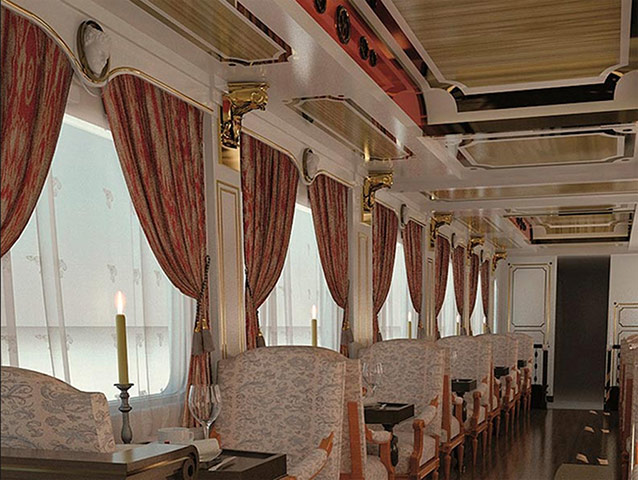
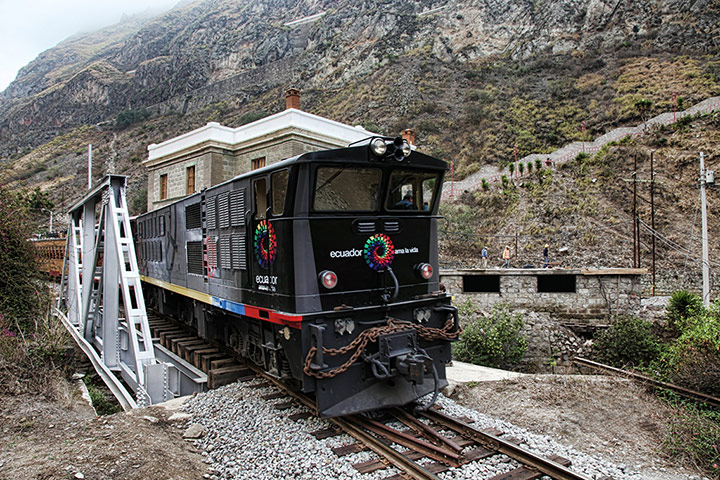
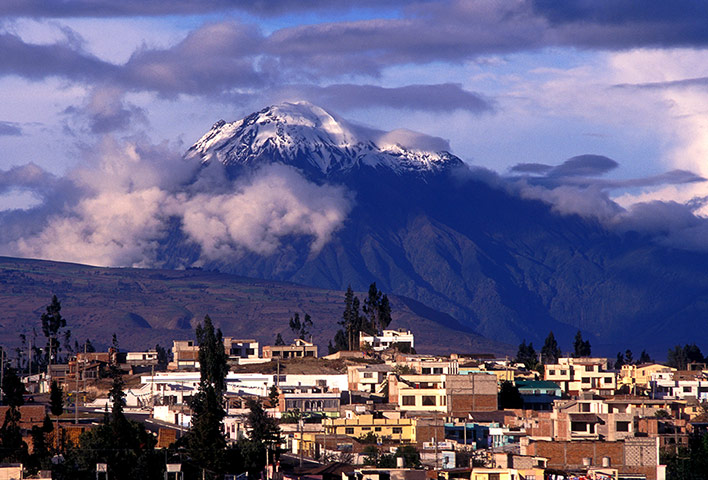
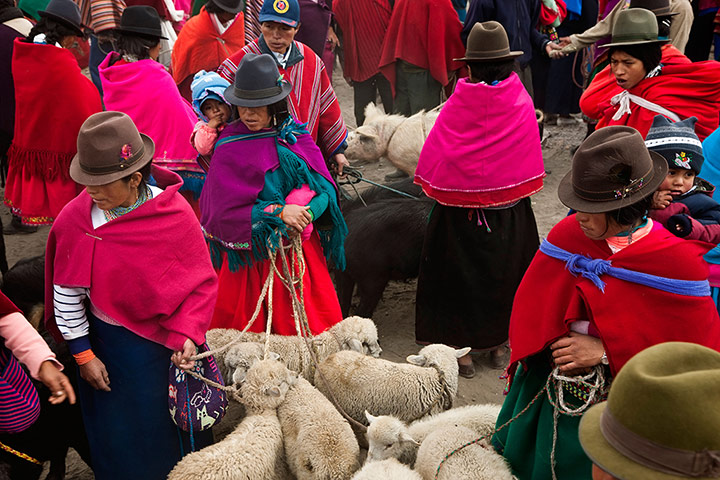
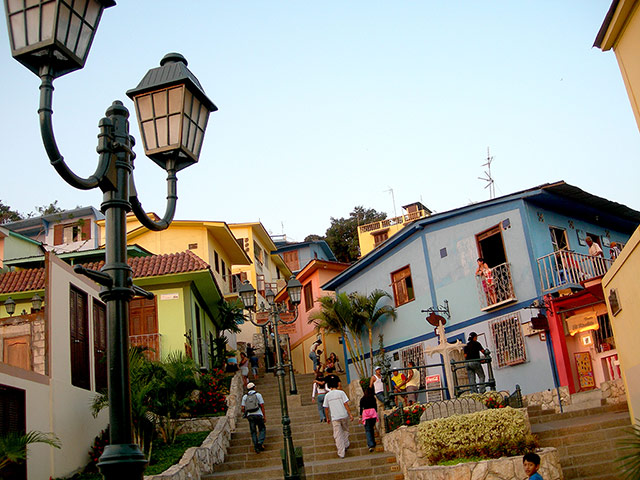
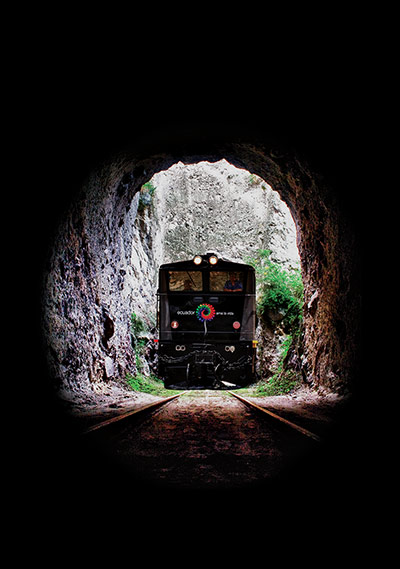
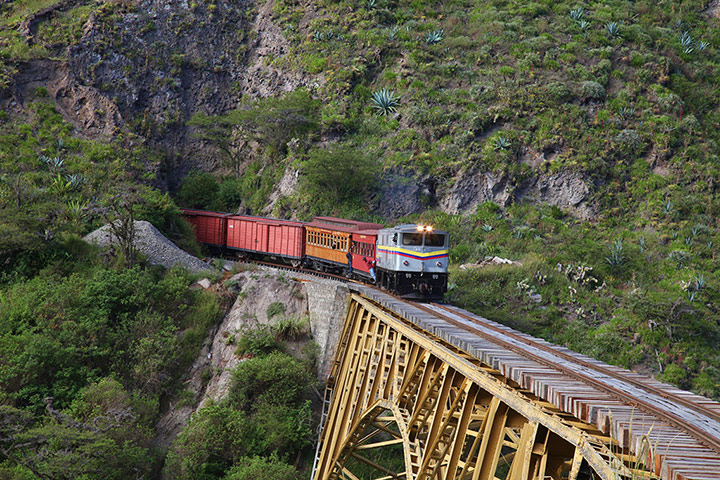
It's one of the most spectacular train journeys in the world and after more than four years of renovations, Ecuador's famous railway reopens this June. Dating back to the late 19th century, the line was all but closed following neglect and devastating landslides in the 1990s. The ambitious multi-million pound project will see trains running again from Quito, high in the Andes all the way to lowland Guayaquil on the Pacific coast, and connecting the Valley of the Volcanoes with the infamous Nariz del Diablo (Devil's Nose) - one of the steepest stretches of railway you're ever likely to experience.Photograph: PRIt is hoped the project, costing around $280m (£185m), will be a major tourist draw to the country. As well as renovating hundreds of miles of track and many stations, beautifully restored 20th-century stream trains will run along key sections of the route. Photograph: David Grijalva/Ferrocarriles del Ecuador Empresa PúblicaPhotograph: David Grijalva/PRStarting in the capital Quito, the train heads up to the historic town of Machachi. Views of Cotopaxi, one of the highest active volcanoes in the world, can be seen as you rumble towards the 'Valley of the Volcanoes' that takes passengers past a series of snow-capped peaks, including Cotopaxi, Pichincha, Corazón and Ilinizas. The train reaches its highest point at restored Urbina station (3,609m) and gets as near as you can by train to Chimborazo, the highest mountain in Ecuador – and due to its position on the equator, the closest mountain peak to the sun. Photograph: David Grijalva/Ferrocarriles del EcuadorPhotograph: David Grijalva/PRFrom Urbina the track gets even more hair-raising, as you travel towards the infamous Devil's Nose – where the track loops in a series of precipitous switchbacks on the rocky mountain face of Cóndor Puñuna (Condor Mountain). The engineering challenges in building this section earned it the nickname 'the most difficult railway in the world'.Photograph: PRThe Devil's Nose is one of the few sections of the track that was kept open as much of the rest of the route fell into disrepair. It has long been popular with tourists, who would ride on the train roof for the best views.Photograph: Diane Stoney/www.alamy.comAs well as impressive mountain peaks, the train passes through farmland, towns and villages.Photograph: AlamyThe new trains, run by Tren Crucero, will offer a luxury travel experience, with dining cars and a lounge with large windows, as well as open carriages for passengers to appreciate the landscape. The trip along the entire length of the new line, from Quito to Guayaquil, takes four days/three nights, with time for excursions en route and accommodation included. It costs $990pp (around £654, an introductory price), rising to $1,270pp, based on two sharing.Photograph: PRFor those who prefer not to take the four-day trip, Tren Crucero also run shorter two- and three-day, as well as day-trips, on selected parts of the route with tickets starting from $236 (introductory offer $184). Alternatively, information on booking individual sections of the trip on regular trains can be found at ecuadorbytrain.com, with tickets starting from $10.Photograph: David Grijalva/PRThe market town of Riobamba provides an overnight stop on the new route. Lying beneath the peaks of the surrounding volcanoes – pictured here is Tungurahua – it's also a starting point for guided climbs up Chimborazo and other nearby mountains.Photograph: Robert Fried/AlamyTravellers can also visit local attractions and historic sites en route, such as this local Guamote market, near Riobamba.Photograph: Peter Adams Photography/AlamyThe train passes through lowland tropical plantations before reaching its final destination at the coastal city of Guayaquil. The city is a jumping off point for onward flights to the Galapagos Islands.Photograph: AlamyTravellers can continue their journey, just north of Quito, on the Tren de la Libertad that travels 30km along the old San Lorenzo line between Ibarra and Salinas. The line passes through a series of tunnels and crosses bridges and waterfalls, as the scenery changes from the high altitude Andes to the sub-tropical climate near the coast.Photograph: PRAlthough not as famous as the Devil's Nose, the Tren de la Libertad has scenery to rival it. Here the train approaches the famous bridge over the Ambi river, carrying passengers high above the canyon floor. The trip takes 4.5 hours and costs $15 return, bookable through ecuadorbytrain.com.Photograph: PR