
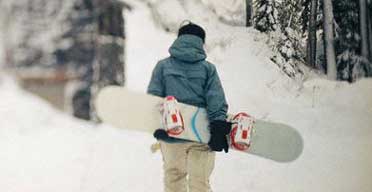
Vail. Val D'Isère. Verbier. Skied them all; got the bruises, got the oh-so-zany T-shirts involving puns on the word 'piste'. In fact, after nearly 20 years of being a piste addict (see how easy it is?), I thought I had pretty much done it all.
And then came Trysil.
Where? Exactly. The fact that you have to ask suggests the resort won't be giving Courchevel a run for its money in the near future.
Trysil, it transpires after a tedious two-hour cab ride from Oslo airport, is Norway's premier ski resort. Admittedly describing it thus risks invoking comparisons with gags about Belgium's most famous person, but everywhere has to start somewhere. Or, in Trysil's case, some time.
Judging by the resort's enthusiasm for blaring Status Quo out of the loudspeakers perched either side of its main slope, Trysil, it would seem, is stuck circa 1982. Mullets and Day-Glo ski wear are still very much de rigueur.
The slopes, too, are in a time warp. Chair lifts are still a new-fangled rarity. Out of the 27 lifts, only five are chairs. The majority are T-bars which take an age for skiers to get up the slopes and have been reported to the European Court of Human Rights by snowboarders.
On-piste catering is also pretty lacklustre. There is only a handful of cafes which serve the obligatory, albeit extremely tasty, gulashsuppe , and which are rammed at weekends when Swedes hop over the border for 48 hours of mayhem.
On-piste cafes take a strict view of when to serve alcohol - not before noon and only until around 4:30pm, even if the sun's out.
Not that you can afford alcohol, mind. A pint of lager will set you back some £7-£8, a product of the Norwegian government's predilection for taxing booze.
As for wine, it hardly bears thinking about. A bottle of what would be the cheapest, ugliest plonk back in the UK will set you back some £24. Apparently someone did once order a gin and tonic in an attempt to impress friends, but this may have been an urban myth.
Despite the stratospheric prices, the bars on and around the slopes are packed come 5pm. This is because the resort - which can play host to some 15,000 people at any one time - has only 13 bars.
So, to recap: if your idea of après-ski is standing up, drinking prohibitively priced lager and listening to music performed by tribute bands who think David Hasselhoff is the epitome of cool, then Trysil is for you.
And yet dismissing Trysil is not that easy. While it is not a resort for die-hard powder addicts; the cash-strapped; alcoholics, people who collect T-shirts with amusing puns, or lovers of night life, Trysil is ideal for young families learning to ski.
The 64 slopes are very well groomed and, during week days, largely empty. The majority are gentle, unchallenging slopes, vast swathes of green and blue. Even the handful of black runs Trysil boasts would be classed as red in most other resorts.
The family atmosphere is compounded by the fact that you can ski on all three sides of the resort's main mountain and that the entire lift system is connected, making it relatively easy, and safe, to get around.
But perhaps Trysil's greatest USP is its location. Situated more than 200 kilometres north of Oslo, Trysil boasts some of the most reliable snow conditions in Europe. Not only does this mean you're unlikely to be disappointed about the quality of snow, it also means the season lasts considerably longer than in most other resorts. Typically, Trysil's season starts in mid-to-late November and finishes at the end of April which gives parents greater choice when it comes to timing their trip and avoiding the crowds.
There are a number of other nice touches. A Lego tent at the foot of the main slope provides a giant playpen for youngsters, while dogsledding and sleigh rides are great family activities.
And while the resort's hotels tend to be on the perfunctory side, the chalets are capacious, impressive affairs that sleep anything between 10 and 30. There are two decent supermarkets in the village below - a good ten minutes in the bus - as well an excellent bakery, a smattering of fast food joints and a bottle shop.
For those looking to eat out, the Restaurant Glasset at the foot of the slopes boasts a wide and varied menu featuring Norwegian fare. The restaurant in the Norlandia Trysil Hotel down in the valley is also worth a visit for those looking to push the boat out. It has an extensive wine list and its menu contains specialities such as steak grilled on soapstone. The local pizzeria and bar next door has a friendly atmosphere and does decent, affordable food.
One must-do for any family is a meal at Knettsetra on the mountain. On certain evenings the staff dress up in Norwegian costumes and serve a hearty fondue that makes for a great family experience. Be warned: the only way back is to ski through the trees, so don't eat or drink too much.
On the whole, most families will probably prefer to eat in - it's easier and certainly cheaper. It's also quite romantic. The fact that most chalets nestle on the slopes makes it easy to ski in and out and gives the mountain - a 'villagey' feel when night falls and the lights in the windows come on.
In fact it is at dusk that Trysil really comes in to its own. On Tuesday, Wednesday and Friday evenings several of the main slopes are illuminated, allowing for some magical night skiing that is made all the better for the natural solitude of the resort and the absence of vast crowds of lagered-up Brits wearing stupid T-shirts.
At dusk many people head to Trysil's snow park to watch daredevil boarders and skiers ride a fantastic range of pipes, jumps and rails that are the envy of any resort in the world. So good is the park that it regularly hosts major extreme sports events which probably explains why the likes of Burton snowboards are keen to plaster their name around Trysil.
If skiing at night is not enough, there are special early-morning ski sessions that start at 7am. Adults have to pay a supplement of around £10 (that's one and a half pints of lager in real terms and includes breakfast), but it's worth it to experience virgin snow while on top of a mountain that gives you 360-degree views to the horizon.
The fact that there is clearly a market for this sort of early morning activity speaks volumes about what sort of people go to Trysil. Personally, I thought it had too many T-bars and not enough bars. Families keen to learn the basics may take the opposite view.
Factfile
Jamie Doward travelled to Trysil with Neilson Holidays (0870 333 3347).
A seven-night package at the self-catering Vikinggrenda Cabins costs £435 per person based on eight sharing, departing 13 and 19 March. Price includes charter flights from Gatwick. Supplements for scheduled flights with SAS Airlines cost £35 per person from Heathrow, £50 from Manchester.
