
Eurostar hurried through the mist. The dining car advertised hot chocolate in three languages and three currencies, including the euro. But it wasn't chocolate, just a sachet of powder, rehydrated. I was on a pilgrimage to Brussels in search of the real thing, rich, dark and bitter, the drink of the Mayans and Aztecs. For them, the cacao pod symbolised the human heart torn out in sacrifice: they "were the repositories of precious liquid, blood and chocolate".
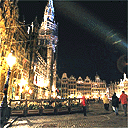
In the Grand Place, the sign of a trumpeting golden angel advertises the "museum of chocolate", an idea that promised much but failed to deliver. A small greenhouse in the garden sheltered some coffee bushes, but sadly no cacao trees. In Guatemala, they look like alien life forms, pods protruding from their trunk. They depend for fertilisation on midges breeding in forest rot. Probably against EU regulations.
The landmark branch of Godiva is just across the square: the firm, now 75 years old, made Belgian chocolate famous. It was a clever marketing ploy to use a naked lady on horseback as a logo - sex and chocolate, the perfect serotonin combo.
In the glass-roofed Galeries Royales St Hubert, I found the Neuhaus shop, established by an emigrant Swiss pharmacist in 1857 to dispense liquorice and chocolate to take away the taste of medicine. When British and Swiss technology transformed the drink into something smooth, solid and edible, Neuhaus became a confiseur - a confectioner. Britain's Richard Cadbury created the first chocolate box, with Victorian art (ringlets and kittens) printed on the lid. Neuhaus's boxes were confections in silk and ribbons, gifts for sweethearts, wives and mothers.
The Neuhaus shop has marble outside, chandeliers within. For Valentine's Day, its window is filled with cherubs and chocolate hearts on velvet cushions.
I returned to my hotel somewhat nauseous and ignored the goodnight choc left on my pillow. (Are you supposed to eat it in bed, then get up to brush your teeth again?) I fell asleep reading about that notorious chocaholic, the Marquis de Sade. When imprisoned in the Bastille, he demanded his wife bring him cake "black from chocolate as the devil's arse is black from smoke" and cacao-butter suppositories for his piles.
Consuming more than a couple of squares of brut grand cru 70% cocoa solids in a morning is much like chain-smoking Havana cigars, so next day I passed up on Leonidas in Rue au Buerre in favour of the Dandoy bakery opposite. Dandoy predates the era of chocolate bars for the masses and still trades in spiced speculoos biscuits, the Flemish descendants of medieval gingerbread. Wooden moulds hang on the walls, carved with crude figures - the giant biscuits they turn out are like edible cartoons or thin tombstones.
I burnt off the calories with a walk to Musée Horta, up past the art-nouveau houses in St Gilles. They look like tins of quality cocoa, with their mosaics and Liberty-style wriggly lettering. Perhaps the roofs hinge off. Inside Horta's museum, the art-nouveau designs swirled like chocolate dribbling from a spatula.
On the way back, I sorted through acres of plastic crates in Les Marolles flea market, looking for the bowls formerly so common for breakfast chocolate. The dealers spoke as much Arabic as French or Flemish, the hoods of their djellabahs raised against the cold. A chocolate-free zone: Godiva boasts customers in Saudi Arabia, but cacao never really displaced the ancient nut sweetmeats in Islam.
You can't follow chocolate with haute cuisine - earthy tastes are more compatible -so I went for cabbage soup, rabbit in gravy and black bread in a Marolles backstreet bar. Chocolate and wine don't go either - better are the naturally-fermented Belgian fruit beers.
In Place du Grand Sablon, the window of Wittamer Chocolatier had a tiered cake piled with chocolate hearts. I stocked up for the cold, lonely Eurostar home. Love at last bite.
5 romantic things to do
1 Choose beautiful postcards with your lover's initials, reproduced from medieval manuscripts, Flammarion, Galleries, St Hubert.
2 Breakfast at the table in front of the (fake) fire at La Brouette, Grand Place, as the sun rises over the gilt pediment opposite and backlights your lover.
3 Get surreal on 9% Blue Chimay ale in Magritte's former local, La Fleur en Papier Dore in the Rue des Alexians: it needs visiting lovers for atmosphere.
4 Stand hand-in-hand in the twilight of the Eglise St Nicholas, Rue au Buerre.
5 Feed each other Marcolini's Java bars (coffee/chocolate blend) in the formal and silly little park of Le Petit Sablon.
The practicals
Kirker (020 7231 3333) offers two-night B&B breaks at the 4star Le Meridien from £221 pp, inc return travel to the hotel and a copy of Kirker's city guide notes to Brussels. Two-night breaks at the Embassy Hotel start from £189pp.
