Georgia Brown followed in the footsteps of many visitors to Cuba to catch a glimpse of a compelling country shaped by half a century of Fidel Castro's rule - before it changes forever.
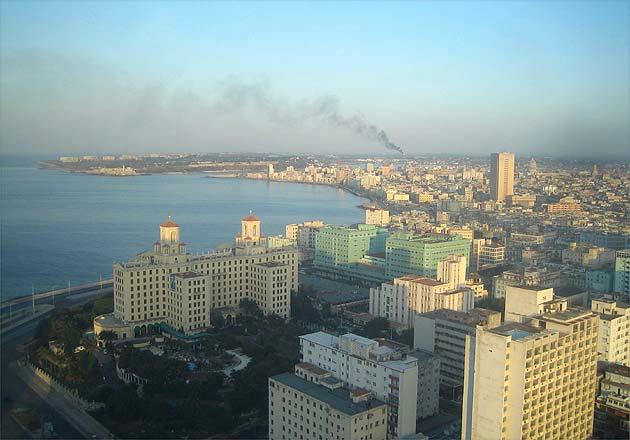
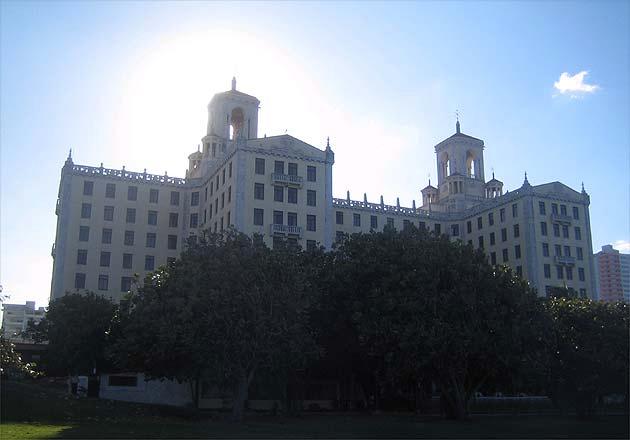
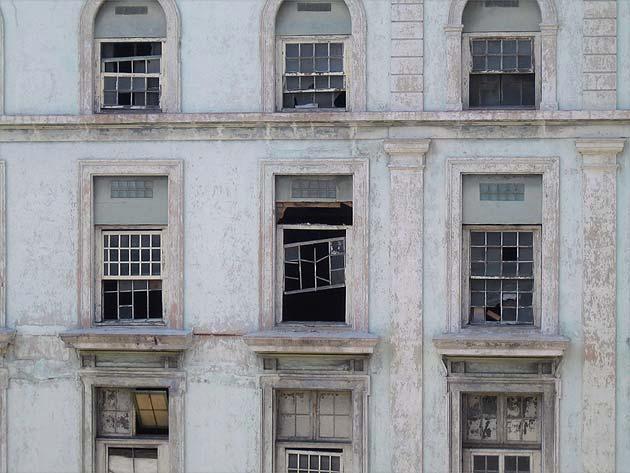
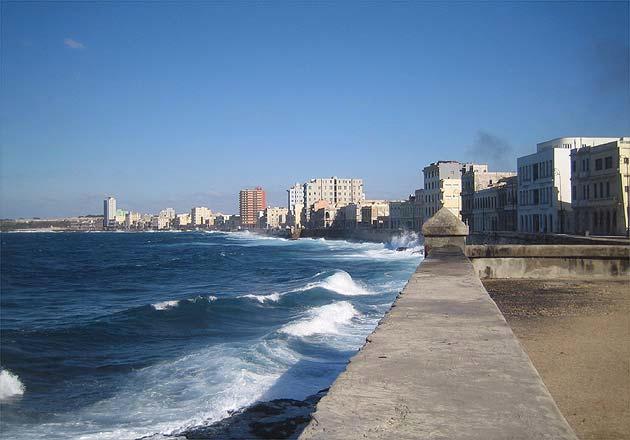
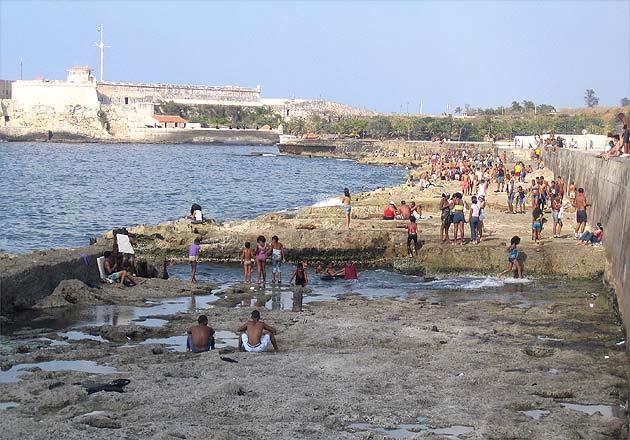
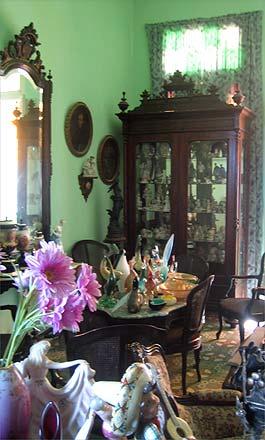
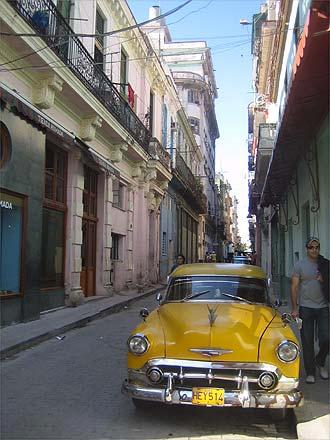
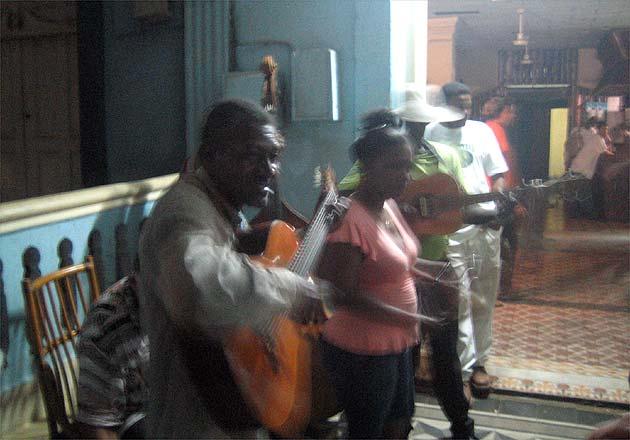
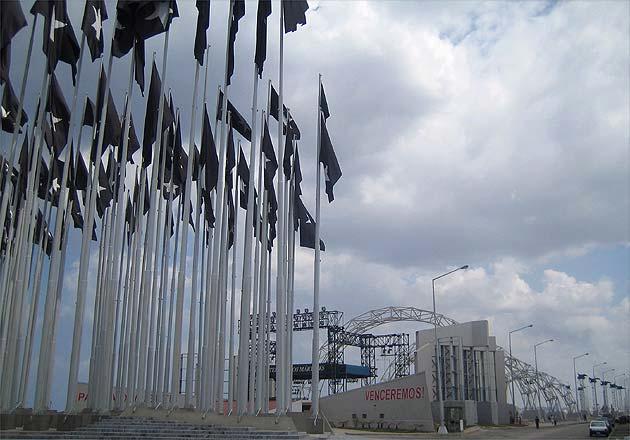
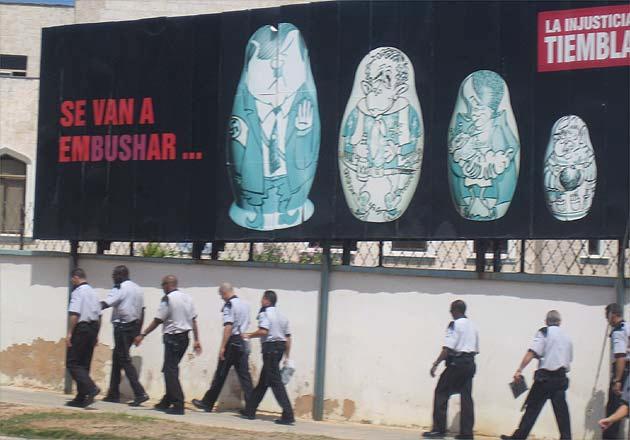
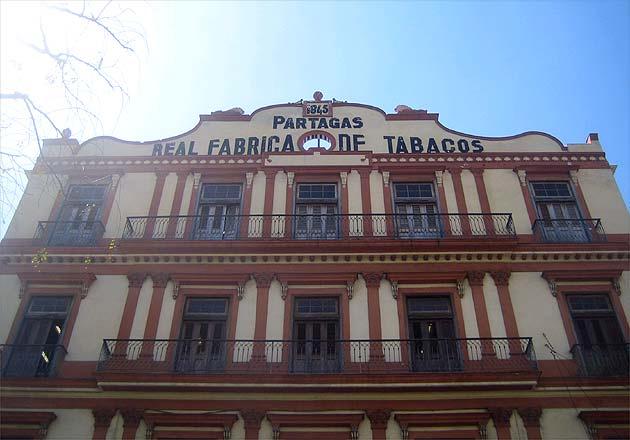
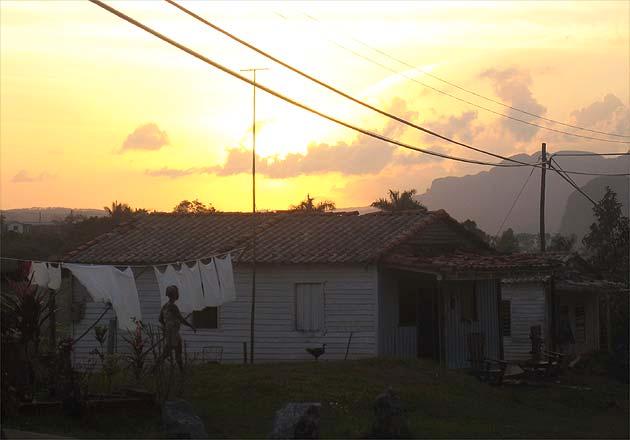
Looking out over Havana city … on the left is the Hotel Nacional with its distinctive turrets. Cuba's isolation has left much of its architecture untouched by modernisation and urban development - only one skyscraper punctuates Havana's skyline. Photograph: Georgia Brown/James LeechBuilt in the 1930s the Hotel Nacional is a perfect reminder of pre-revolution Cuba. Come here to enjoy a decadent Mojito in the grounds and take a visit to the Taganana cave where Che Guevara and Fidel Castro decamped during the missile crisis in 1962.Photograph: Georgia Brown/James LeechIf five decades of communism have had the effect of saving the island's historic architecture from redevelopment the flip side of the lack of investment means that many Spanish colonial buildings are on the point of collapse. Following its declaration as a Unesco world heritage site in 1982 restoration work has returned parts of Havana Vieja to their former glory. But in other areas of the city the situation is critical and crumbling.Photograph: Georgia Brown/James LeechWaves crash over the wall on Havana's famous Malacón, drenching the street and anyone who dares to walk too close. Tattered buildings and bars line the seafront where in other cities such prime real estate would be lined with ostentatious hotels, loud bars, and the familiar brand stores. And with US fast-food companies already staking a claim to potential plots in anticipation of the trade embargo ending - it may not be long before they appear.Photograph: Georgia Brown/James LeechWhen the sun comes out, the Malacón comes to life. This is where Habaneros come to hangout and it's the perfect place to people watch and soak in the small-town flavour of Cuba's capital.Photograph: Georgia Brown/James LeechOne of the best ways to see Cuba is to stay in its many casa particulares - or homestays. In some the contents seem as unchanged by time as the buildings themselves and over breakfast you can take in an antique shop-style display of crockery, ornaments and knick-knacks.Photograph: Georgia Brown/James LeechThe lack of advertising in Cuba is surprisingly refreshing. Only in its absence do you realise how much we are bombarded by it in the west. Billboards in Cuba display communist propaganda promoting Castro, communism and the revolution - at times unsettling, at others humorous.Photograph: Georgia Brown/James LeechThe minute you leave Cuba's airport you discover the joys of car-spotting. Classic American Dodges and Chevys sedately cruise the streets in varying states of repair but almost always packed with passengers. A window to the past, they transform Havana's streets into a living museum.Photograph: Georgia Brown/James LeechYou don't need an iPod in Cuba - as soon as you're out of earshot of one band, another takes its place. In between the Buena Vista Social Club staples you'll hear everything from raggaton to bolero and salsa, and most of it is live. Photograph: Georgia Brown/James Leech138 black flags with a white star block the US Special Interests office in Havana, and obscure the rolling messages displayed on the building by American diplomats, which include quotes from human rights leaders. The monument symbolises the victims of what the Cuban government considers to be US-sponsored violence against Cuba. Photograph: Georgia Brown/James LeechAn anti-Bush billboard dominates the wall just outside the US diplomatic mission in Havana. The area is heavily patrolled by guards, a stark reminder of ongoing propaganda war between the two countries.Photograph: Georgia Brown/James LeechFábrica de Tobacos Partagás is one of the oldest cigar factories in the Cuba where famous brands such as Bolivar, Romeo y Julieta and Cohiba are produced.Photograph: Georgia Brown/James LeechViñales lies just three hours from Havana, and is a major stop on the tourist trail, but you would never guess it. The majority of tourists are absorbed into casa particulares and the small bars, shops and restaurants don't disrupt the laidback pace of life.Photograph: Georgia Brown/James LeechTourism is now big business in Cuba and its effects are perhaps nowhere more evident than on its pristine beaches. Entire resorts have been created, where Cubans are often prevented or actively discouraged from accessing the beach. Here the tourist Dollar - Peso convertible - is king. Photograph: Georgia Brown/James Leech