Roger Mansfield's new book tells, for the first time, the colourful story of Britain's original surfers and includes many previously unpublished images of the sport's UK pioneers
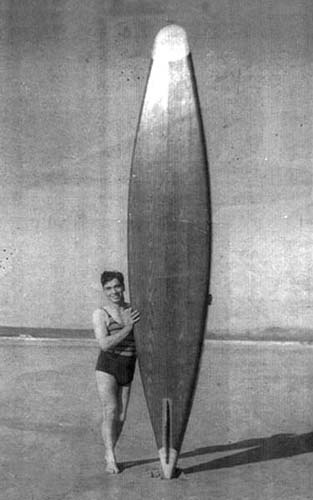
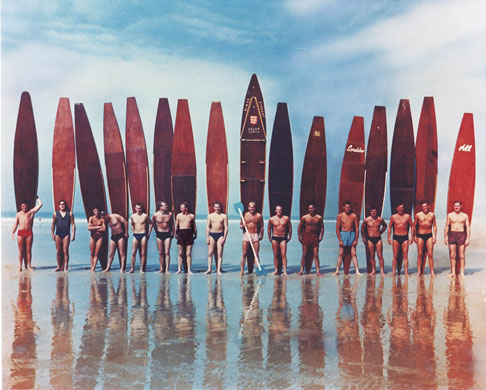
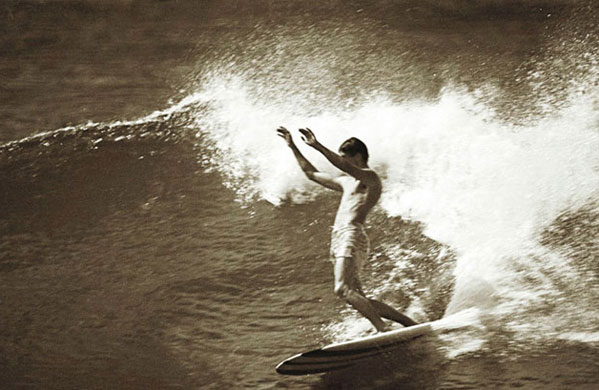
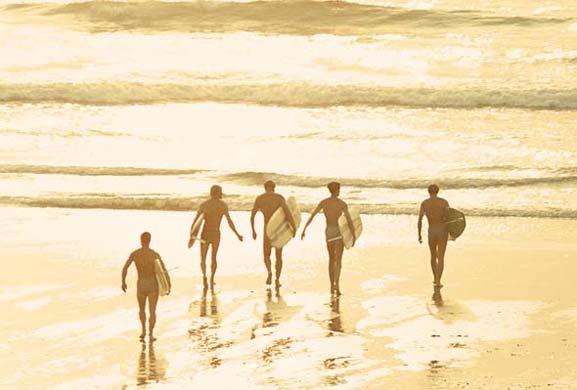
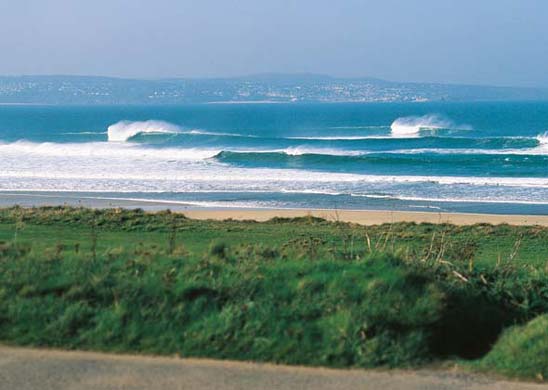
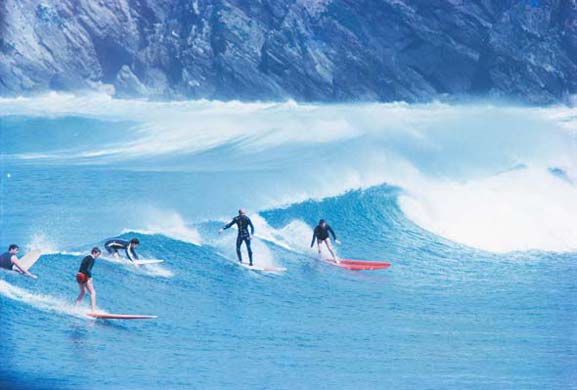
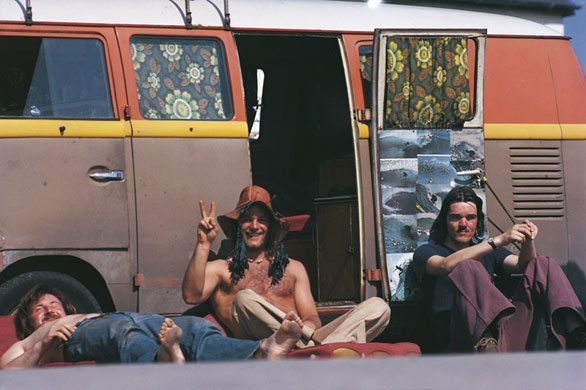
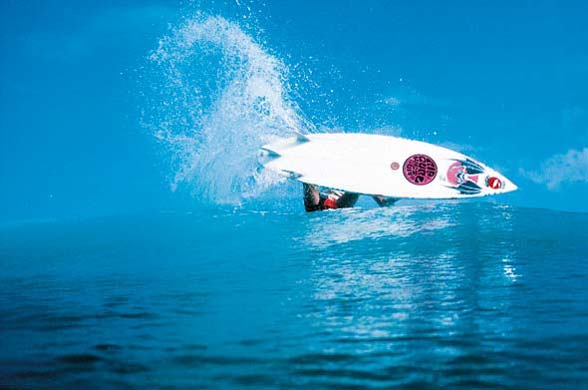
Newquay ice-cream seller Pip Staffieri, pictured in 1941 with his homemade hollow wood surfboard - at 13'6 long it was too heavy to carry when wet. Almost certainly Europe's first surfer, Pip taught himself to surf at a time when there were no other surfers around. Today, Newquay is dubbed 'Surf City UK' and the industry is worth about £70 million to the Cornish economy alone.Photograph: Roger Mansfield CollectionThe founding members of Britain's first organised surf club, Jersey Surfboard Club, line up for a photo in June 1959. Jersey is where the British surf scene was born and has produced some of the country's biggest stars. Back then the public saw surfing as a strange cult.Photograph: John D Houiellebecq/Roger Mansfield collectionRod Sumpter in full flow at Fistral in 1967. Watford-born Rod Sumpter was Britain’s first surfing superstar. He spent his teenage years surfing in Australia and California, and by 1964 he was effectively the World Junior Champion. When he moved back to his homeland two years later, he brought a whole new level of professionalism to British surfing. Throughout the decade he competed alongside the best surfers in the world.Photograph: Doug WilsonThe essence of surfing was the same in the 60s as it is today: enjoying a sunset session with your mates. Fistral, circa 1968.Photograph: Roger Mansfield CollectionSt Ives bay with the town of St Ives in the background. It was from here that surfing spread into West Cornwall in the early 60s.Photograph: Mike SearleNewquay Bay in the mid-60s. The man second from right is the the late Bill Bailey, who co-founded Bilbo surfboards, Britain's first surfboard factory. Photograph: Doug WilsonSurfers started to explore Ireland in the mid 60s. By the 70s, when this photos was taken, the Emerald Isle was a regular surfari destination, thanks to its powerful waves and strong local culture. Here, Eric Peters, Tom Watson-Bell, John Parkin and Gary Russell check out the wildlife in 1971Photograph: Pete BoundsA VW van, a few boards and a couple of mates – all you needed for a classic road trip in the ’70s. And check out those curtains!Photograph: Pete BoundsDawn patrol, Pembrokeshire, 1979. The Welsh surf scene grew out of Swansea in the early 60s. Wetsuits were hard to find, so they had to cut their own from sheets of neoprene. Photograph: Pete BoundsLangland surfer Carwyn Williams rose to global prominence in the 80s and helped to spread the word about the Welsh surfing scene. At his peak in the late 80s Carwyn was as radical as any surfer in the elite Association of Surfing Professionals (ASP) top 30.Photograph: Alex Williams