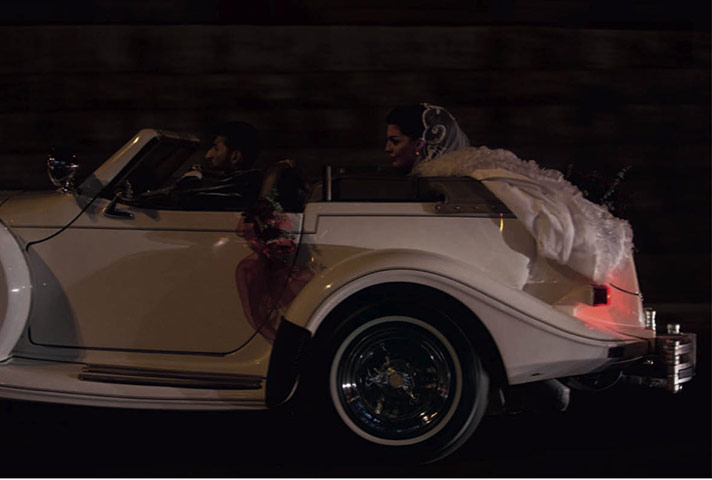
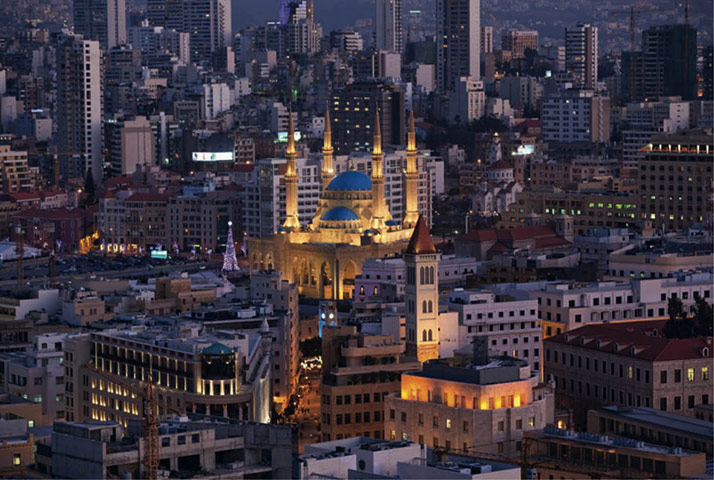
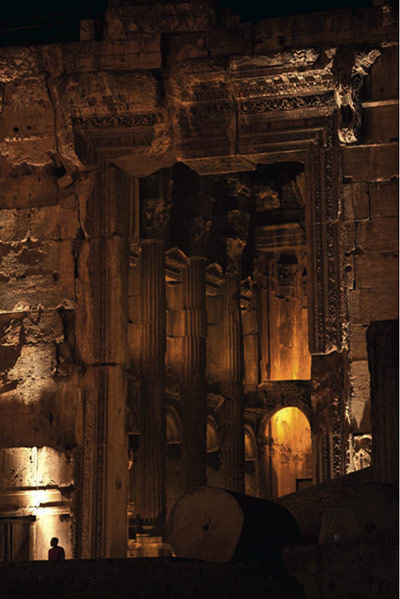
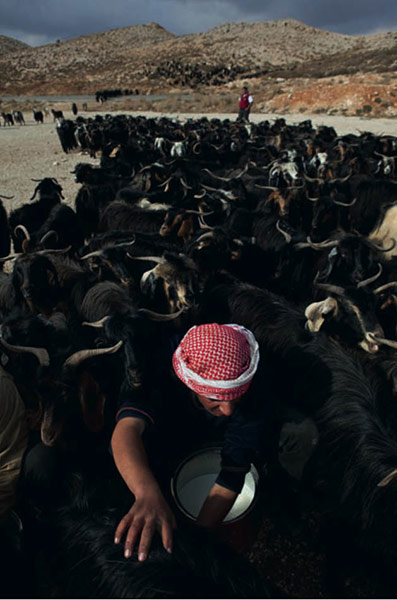
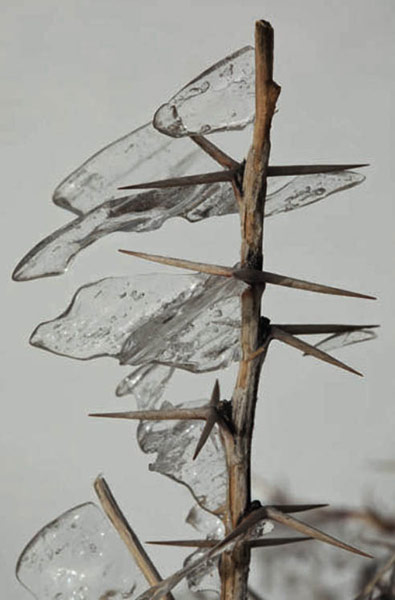
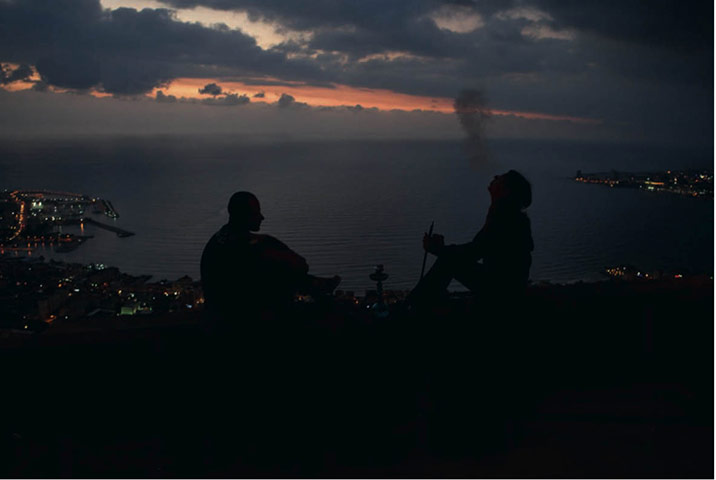
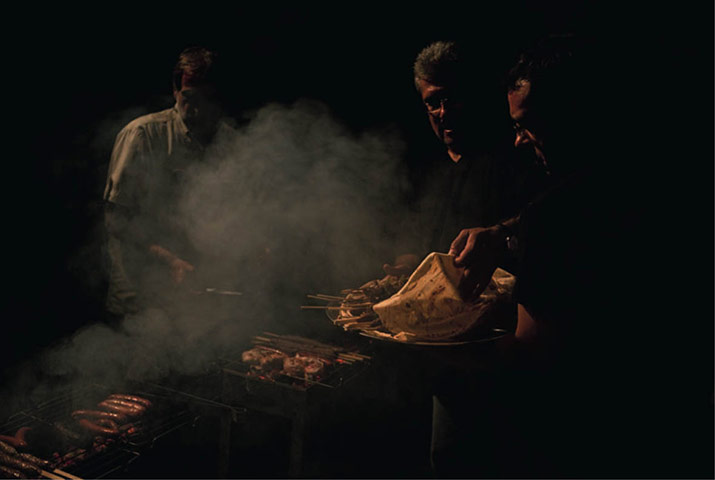
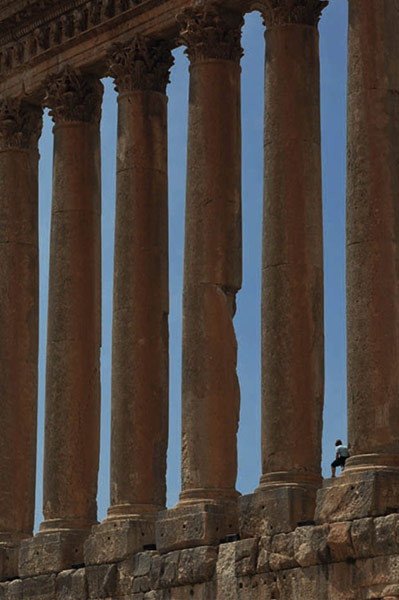
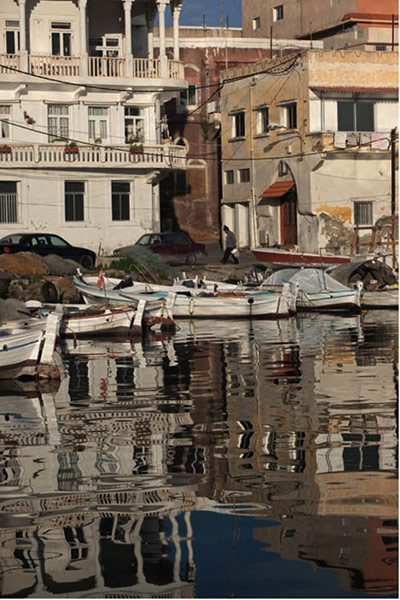
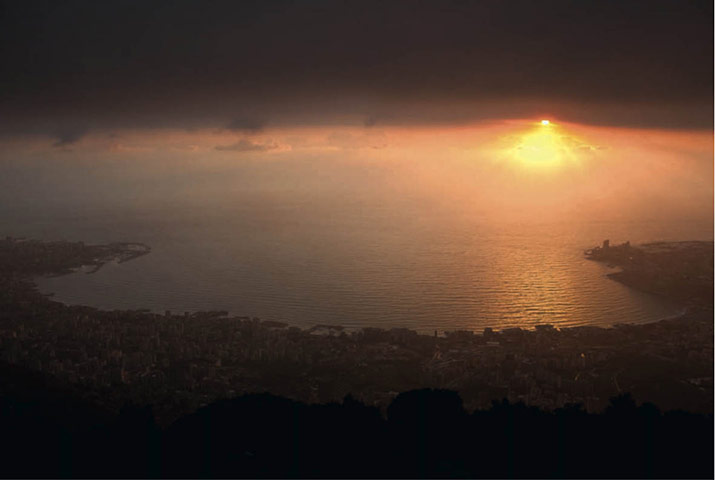
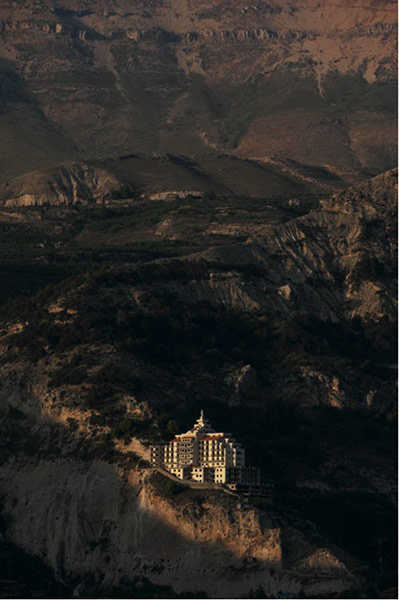
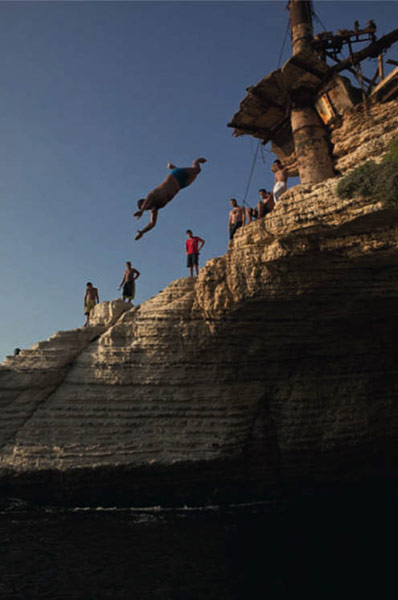
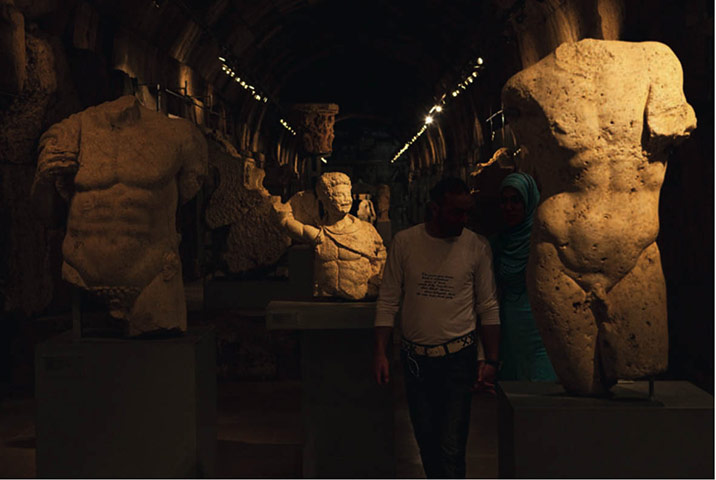
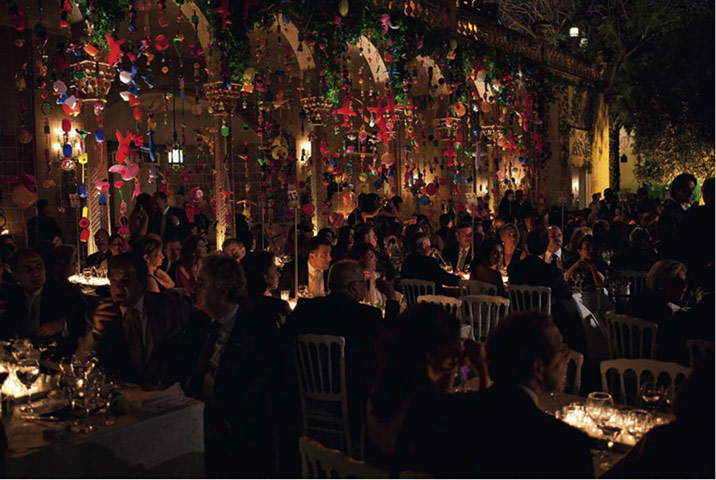
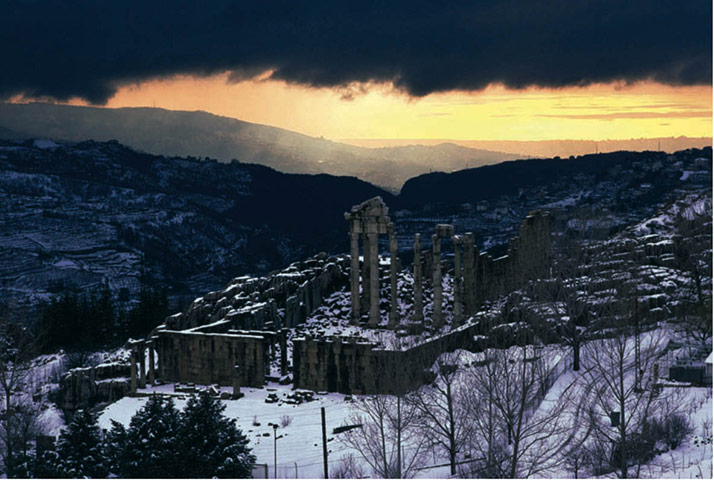
A bride speeds north past Jounieh Bay towards her futurePhotograph: Max MilliganThe Mohammed Al Amin Mosque was built by the assassinated Prime Minister, Rafik Hariri. Its enormity and position on the former green line that separated Muslim and Christian Beirut during the civil war, are controversial with some ChristiansPhotograph: Max MilliganThe Temple of Bacchus at Baalbek is one of the world's most impressive archaeological sightsPhotograph: Max MilliganGoatherds appear from every direction along mountain passes on the day the milk is sold Photograph: Max MilliganIce sculpted by the rain and windPhotograph: Max MilliganCouples line the road down to Jounieh Bay with argileh smoke noisily bursting through the bubblesPhotograph: Max MilliganThe smell of fresh meat and the glow of charcoal add to the atmosphere of any gatheringPhotograph: Max MilliganBaalbek, or Heliopolis as the Romans named it, is the largest Roman temple on Earth and has the tallest columnsPhotograph: Max MilliganTyre harbourPhotograph: Max MilliganOne promontory north of Harissa gives the best uninterrupted view of Jounieh BayPhotograph: Max MilliganBcharré has the look of a model town at sunset, dwarfed by the landscape of the Kadisha ValleyPhotograph: Max MilliganThe Hope for Peace Monument at the Ministry of Defence in Beirut was a tribute to 50 years of the Lebanese Armed Forces. Created by French artist Arman in 1995, it stands 32 metres highPhotograph: Max MilliganPigeon Rock stands below Raouché corniche, one of the emblematic symbols of BeirutPhotograph: Max MilliganThe museum at Baalbek is beautifully conceived and it is a pleasure to see objects at the location where they belong, rather than having to go to the National MuseumPhotograph: Max MilliganCharity Ball at Lady Cochrane's Sursoch Palace, BeirutPhotograph: Max MilliganFaqra. The civil war from 1975 to 1990 created an exodus, leaving houses standing empty to this day. Wars have occurred here in every period of history dating back through Ottomans, Mameluks, Crusaders, Saladin and the Romans who left Qalaat Faqra in the wake of their period in powerPhotograph: Max Milligan