The Group of Seven artists changed the way Canadians saw their landscape. As a new show of their work opens in London, Julian Beecroft visits the places that inspired seven of their paintings
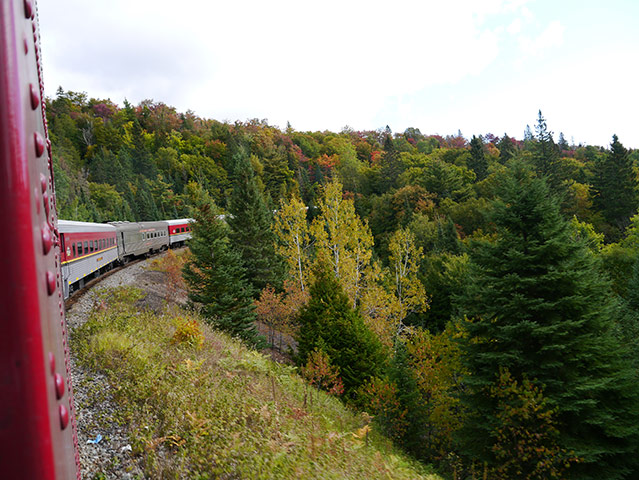
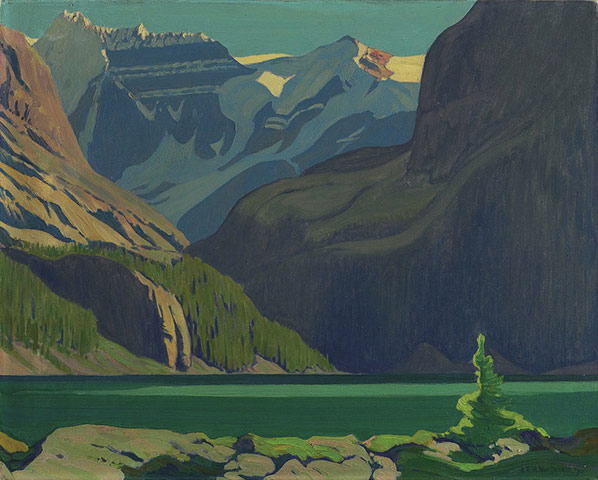
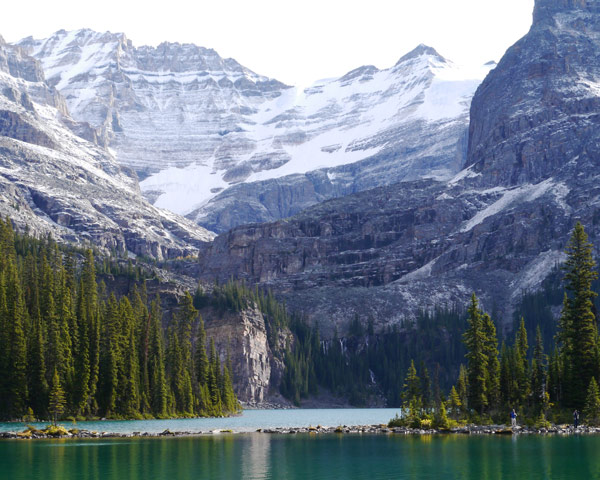
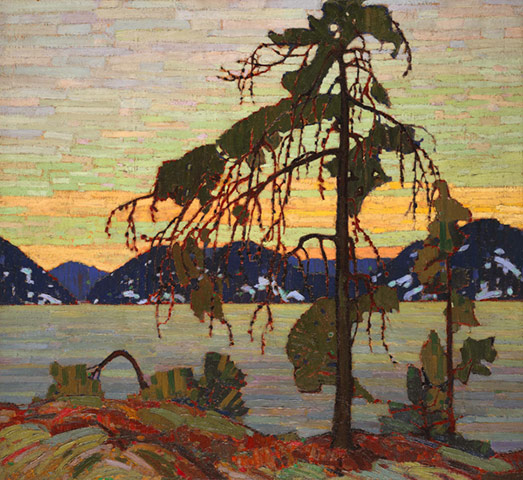
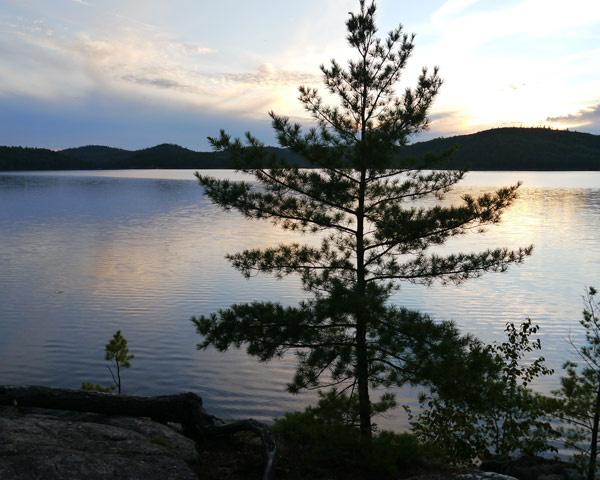
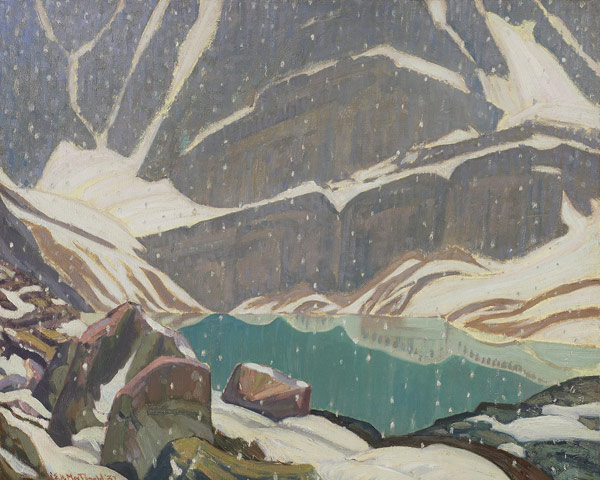
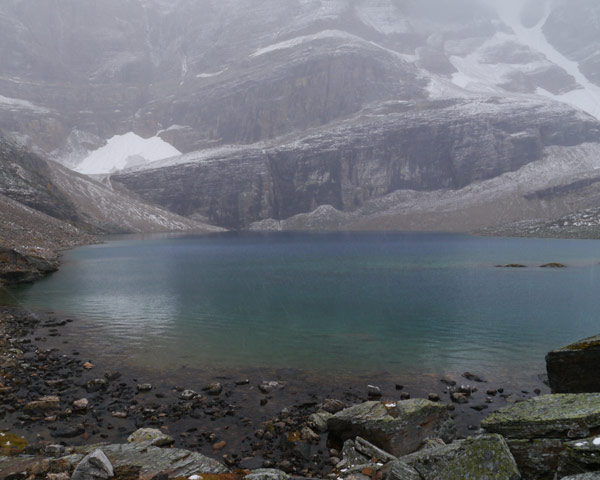
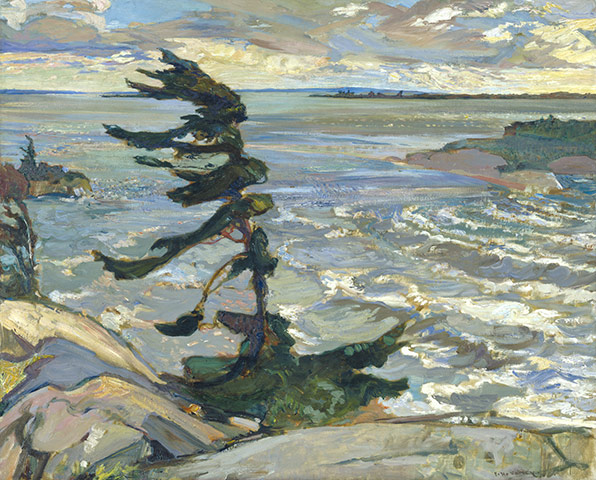
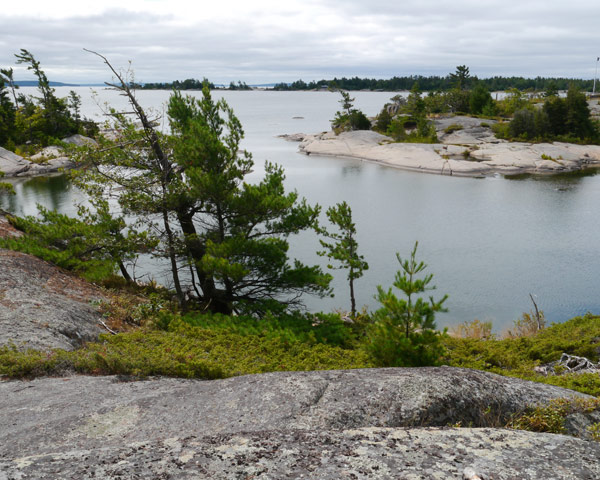
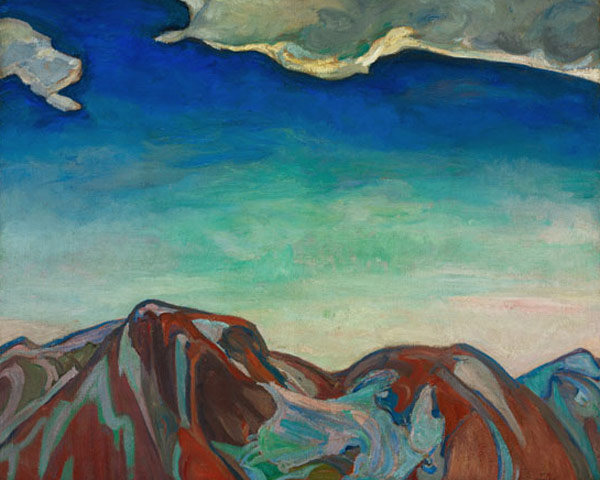
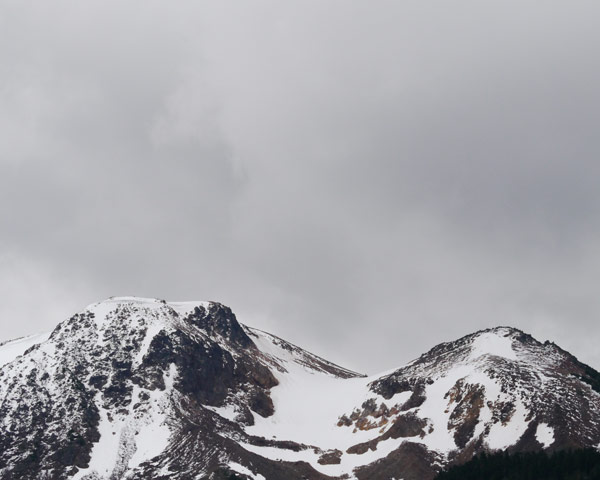
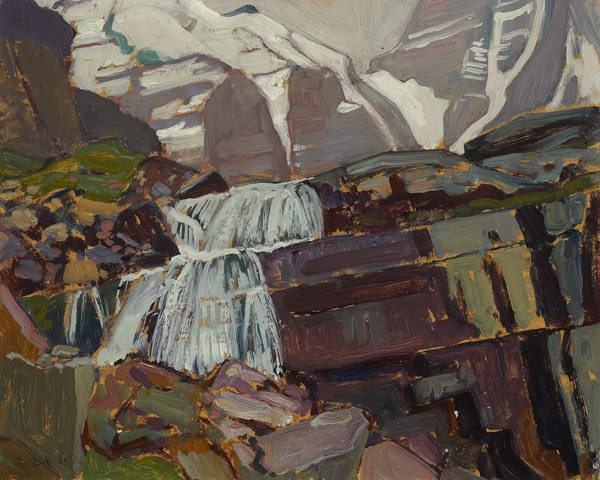
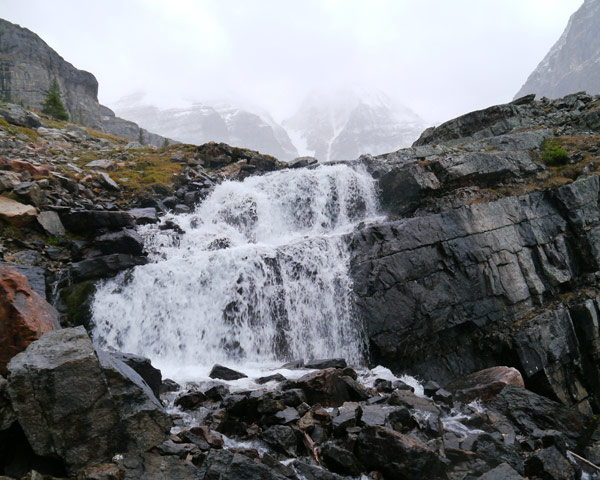
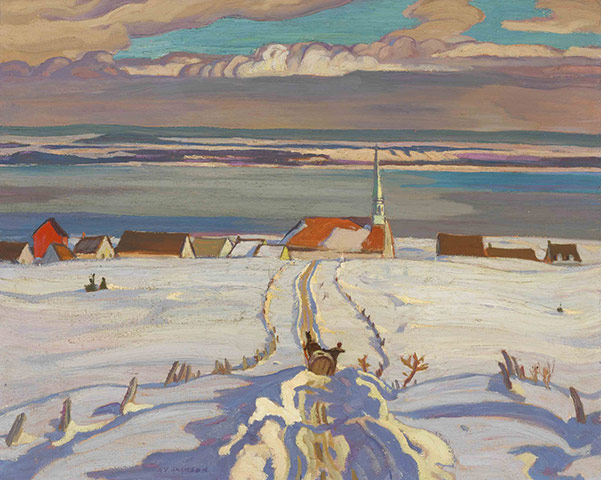
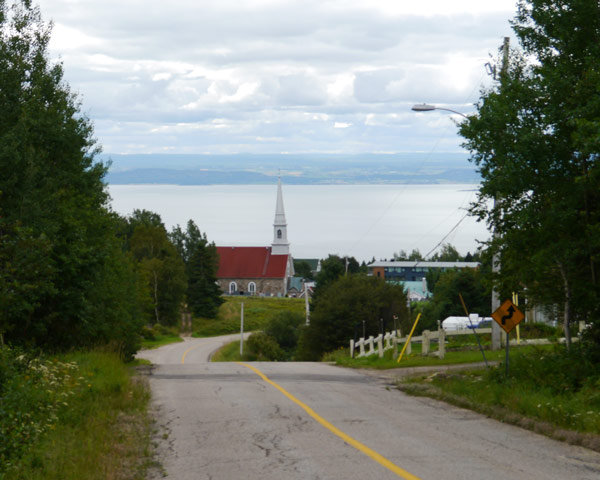
Travelling by car and train, Beecroft traversed Canada in search of locations captured on canvas by the Group of Seven. From Winnipeg, he caught a VIA Rail train to Edmonton. "As night falls, with the train thundering across the prairies, I begin to grasp the importance of the railway in the creation of Canada, and its role in opening up the mountains of the west," says Beecroft.Photograph: Julian BeecroftIn Algoma, Ontario, the rugged region synonymous with the Group of Seven, Beecroft takes the Algoma Central Railway's popular Agawa Canyon Tour Train, which snakes through constantly breathtaking scenery – lakes, forests and sudden glimpses of mountains.Photograph: Julian BeecroftJ.E.H. MacDonald, Lake O’Hara, 1929.Photograph: Art Gallery of OntarioThis classic scene greets visitors to Lake O’Hara, part of Yoho national park in the Rockies, as they get off the rangers’ bus to the lake. It is due to Parks Canada’s careful management of the area that the view is largely unchanged. Toronto-based painter J.E.H. MacDonald was besotted with O’Hara, returning each September from 1924 until ill health prevented it.Photograph: Julian BeecroftTom Thomson, The Jack Pine, 1916/17.Photograph: National Gallery of CanadaTom Thomson’s The Jack Pine, the most famous painting in Canadian art, is based on a sketch done at Grand Lake in Algonquin national park, Ontario. The site was rediscovered in 1970, though by then the original tree had died. The Jack Pine Trail leads visitors from Grand Lake’s parking lot to the painting site, where a white pine now grows in more or less the same spot. Photograph: Julian BeecroftJ.E.H. MacDonald, Mountain Solitude (Lake Oesa), 1932.Photograph: Art Gallery of OntarioLake Oesa, several hundred feet above Lake O’Hara, British Columbia, is surrounded by mountains. Climbers carry on from here over Abbot Pass to Lake Louise in neighbouring Alberta. Durham-born MacDonald’s intimate painting of Lake Oesa was one of his last major canvases. Photograph: Julian BeecroftF.H. Varley, Stormy Weather, Georgian Bay, 1921.Photograph: National Gallery of CanadaSheffield-born F.H. Varley’s Stormy Weather, Georgian Bay was sketched on an island in the southern part of Georgian Bay, Ontario, where the Group of Seven’s first patron, Dr James MacCallum, had a summer cottage. The cottage is still there and so, miraculously, is what remains of the white pine in Varley’s painting.Photograph: Julian BeecroftF.H. Varley, The Cloud, Red Mountain, 1927/8.Photograph: Art Gallery of OntarioF.H. Varley’s The Cloud, Red Mountain is a view of Mount Price (left), Clinker Peak (centre) and an unnamed peak (right) in Garibaldi Park in the Coast Mountains of British Columbia. This photo was taken from the shore of Garibaldi Lake, whereas Varley’s vantage point was probably higher up on the Taylor Meadows, where tall evergreens now block the view.Photograph: Julian BeecroftJ.E.H. MacDonald, Waterfall near Lake O’Hara, 1929.Photograph: Art Gallery of OntarioThe Victoria Falls, the subject of J.E.H. MacDonald’s sketch Waterfall near Lake O’Hara, are on the trail from Lake O’Hara up to Lake Oesa, British Columbia. MacDonald was able to return here for free every year on a Canadian Pacific Railway Artist’s Pass, the CPR figuring that images of the Rockies created by artists would entice people to use their trains.Photograph: Julian BeecroftA.Y. Jackson, Winter, Quebec, 1926.Photograph: National Gallery of CanadaA.Y. Jackson’s Winter, Quebec is a view of the village and church of St-Fidèle in Charlevoix County, a couple of hours north of Quebec City. The same view, with the St Lawrence River in the distance, is now mostly obscured by trees, the result of a decline in farming in the region since Jackson’s time. Today tourism is the main source of income in Charlevoix. Photograph: Julian Beecroft